
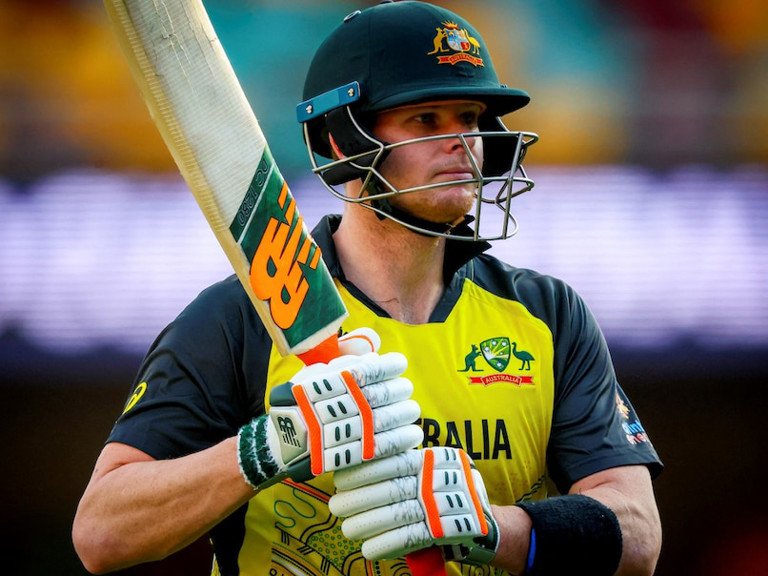
Tournament Campaign Ends in Disappointment
The T20 World Cup campaign of the Australia national cricket team ended in unexpected disappointment, sparking widespread analysis across the cricket fraternity. Entering the tournament as strong contenders, Australia’s early elimination came as a shock to fans and experts alike.
A mix of narrow defeats, unfavorable match scenarios, and external factors combined to derail what was expected to be a deep tournament run.
Close Matches and Costly Misfortune
Australia’s campaign was heavily impacted by fine margins. Several fixtures slipped away despite competitive performances, putting them under mounting pressure in the points table.
Net run-rate complications, rain-affected matches, and results from other group games further dented their qualification hopes. In a format where momentum is everything, Australia struggled to build consistency at crucial stages.
Many analysts believe that while the squad had the skill, situational luck rarely favored them during decisive moments.
Selection Strategy Faces Scrutiny
Team selection emerged as one of the most debated aspects of Australia’s exit. The management opted for an aggressive, power-heavy batting lineup, prioritizing explosive hitters over stabilizing anchors.
However, when early wickets fell, the lineup lacked the composure needed to rebuild innings. Critics argued that the squad balance leaned too heavily on firepower, leaving little room for tactical recovery.
Bowling combinations also came under the scanner, particularly in the death overs where inconsistency allowed opponents to post or chase imposing totals.
Steve Smith’s Omission Sparks Debate
The exclusion of Steve Smith became one of the tournament’s most contentious talking points. Renowned for his adaptability and big-match temperament, Smith’s absence raised questions about the team’s strategic direction.
Experts argued that his ability to anchor innings and rotate strike could have proven invaluable during batting collapses. Australia repeatedly struggled to stabilize after early setbacks — a role many felt Smith was tailor-made to handle.
Selectors, however, defended the move, citing the modern T20 emphasis on high strike rates and relentless acceleration.
Batting Unit Fails to Deliver Collectively
Australia’s batting — traditionally a tournament strength — failed to click as a unit. While individual cameos surfaced, partnerships were scarce and momentum phases were short-lived.
Powerplay inefficiency and middle-overs stagnation hurt scoring rates, leaving too much to do in the death overs. In chases, the pressure of rising required rates often proved overwhelming.
Roadmap Ahead for Australia
The premature exit has triggered introspection within Australia’s cricket setup. Calls are growing for a recalibrated T20 approach — one that blends power with positional stability.
With future ICC tournaments approaching, selectors and team management face key decisions regarding squad balance, leadership structure, and tactical flexibility.
Australia’s setback, while disappointing, could serve as a reset point in redefining their white-ball blueprint.