
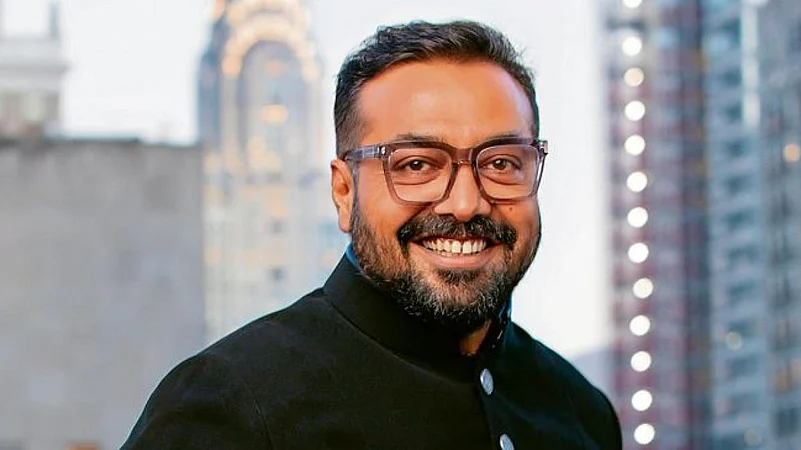
Anurag Kashyap Opens Up on Health Crisis After ‘Maximum City’ Project Was Shelved
A Passion Project That Turned Into Heartbreak
Renowned filmmaker Anurag Kashyap has candidly spoken about one of the darkest phases of his life, revealing how the shelving of his ambitious project Maximum City deeply affected him both emotionally and physically. The series, inspired by the acclaimed book Maximum City, had been close to his heart for years and was seen as a defining creative venture.
Kashyap shared that he had spent over a decade developing the project, investing immense time in research, writing, and conceptualisation before it finally moved forward with backing from Netflix.
Months of Silence From the Platform
According to the director, the project had received initial approval, and he began extensive scriptwriting work. He reportedly wrote hundreds of pages, fully immersing himself in the storytelling process.
However, communication from the streaming platform gradually slowed. Kashyap revealed that there was a prolonged silence of nearly one and a half years, leaving him uncertain about the fate of the series while he continued working on it.
Emotional Toll ‘Like a Miscarriage’
Describing the experience, Kashyap said losing the project felt “like a miscarriage.” He explained that he had nurtured the series like a personal dream, making the shelving emotionally devastating.
The absence of closure intensified the grief. Therapy later helped him realise that he was mourning not just a cancelled show but the loss of years of creative passion and emotional investment.
Serious Health Setbacks Followed
During this turbulent period, Kashyap’s physical health deteriorated significantly. He disclosed that he suffered two heart attacks amid the stress and emotional strain.
In addition, medication complications and mental health struggles compounded his condition. The director admitted that he began drinking heavily during this time, which further impacted his well-being.
Recognising the need for intervention, he sought professional help and checked into rehabilitation — undergoing treatment three separate times to regain stability.
Gradual Return to Work and Healing
Kashyap credited friends and colleagues from the film industry for supporting him through recovery. Acting roles and small creative engagements helped him slowly reconnect with cinema.
He eventually channelled his emotional pain into storytelling, leading to fresh writing work and new creative projects. One such venture, Kennedy, became a symbolic milestone in his comeback journey.
Resilience After Personal and Professional Loss
Reflecting on the experience today, Kashyap views the setback as transformative despite the pain it caused. While the shelving of Maximum City remains one of his greatest professional disappointments, he believes the phase pushed him toward therapy, recovery, and self-reflection.
His revelations have also sparked wider discussions about mental health, creative burnout, and the emotional risks filmmakers face when large-scale projects collapse after years of development.