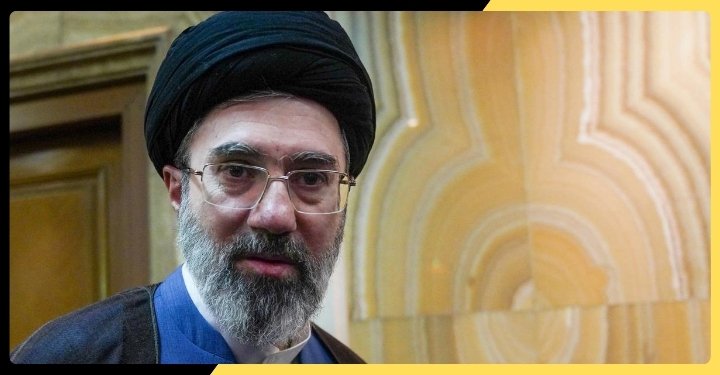
Iran has signaled a hardline approach to the ongoing regional conflict, with its new Supreme Leader promising continued attacks against Gulf Arab neighbours in a statement that underscores the growing intensity of the war.
Ayatollah Mojtaba Khamenei made the declaration in his first major message since assuming power, sending a clear warning to countries aligned with the United States and Israel. The announcement comes amid escalating violence that has already spread across several parts of the Middle East.
According to reports, Iran has launched numerous missile and drone strikes targeting military installations, oil infrastructure, and strategic facilities in Gulf countries. These attacks are part of Tehran’s response to earlier strikes by U.S. and Israeli forces on Iranian territory.
The war has already disrupted regional stability and global energy markets. One of the most serious concerns is the potential closure of the Strait of Hormuz, a key shipping route for oil exports from the Gulf. Iranian officials have suggested that controlling or blocking the strait could be used as leverage in the conflict.
The impact of the war is being felt far beyond the Middle East. Energy markets have reacted sharply to the escalating tensions, with oil prices rising as traders fear disruptions to supply.
Meanwhile, fighting continues on multiple fronts. Hezbollah forces in Lebanon have launched rocket attacks against Israeli cities, prompting retaliatory Israeli airstrikes. Military analysts warn that the conflict could soon involve additional regional actors if the situation continues to escalate.
The United Nations and several major powers have called for immediate efforts to reduce tensions and prevent further violence. Diplomatic channels remain active, but there has been little sign of progress toward a ceasefire.
Iran’s latest statement suggests that the country intends to maintain its confrontational stance despite international pressure. By warning Gulf states of continued attacks, Tehran is signaling that it views the conflict as part of a broader struggle against its regional and global adversaries.
As the war enters a new and uncertain phase, the Middle East faces the prospect of prolonged instability. The coming weeks will likely determine whether the conflict expands further or whether diplomatic efforts can prevent an even larger regional crisis.