
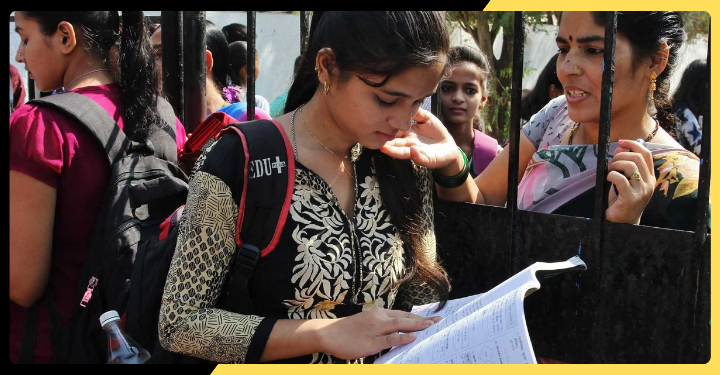
Students across India are calling for greater transparency in examination evaluations following allegations of grading irregularities in several major academic and competitive tests. The growing concerns have sparked discussions among students, parents, educators, and policymakers about the need to improve trust and accountability within the country’s examination system.
The controversy emerged after the publication of results for a number of important examinations. Soon after scores were announced, many students began expressing concerns that their grades did not accurately reflect their performance. Complaints quickly spread through social media platforms, student communities, and educational discussion forums, drawing national attention to the issue.
A significant number of students claim that they received marks that were far lower than expected. Some candidates argue that they performed strongly in examinations and were confident about their answers, making the final scores difficult to understand. Others have reported inconsistencies between their performance in internal assessments and their final examination results, leading them to question the accuracy of the grading process.
The allegations vary widely. Some students believe that correct answers may have been awarded fewer marks than deserved, while others suspect that parts of their answer sheets may not have been evaluated properly. Reports of totaling errors and discrepancies in final score calculations have further fueled concerns about potential weaknesses in the assessment process.
As complaints increased, one demand became particularly clear: transparency. Students are urging examination authorities to provide greater visibility into how marks are awarded and how evaluations are conducted. Many believe that increased openness would reduce confusion and help resolve disputes more effectively.
One of the most common requests is easier access to evaluated answer sheets. Students argue that being able to review their papers would allow them to understand where marks were deducted and determine whether any mistakes occurred during assessment. Access to answer sheets is viewed by many as an essential component of a fair and accountable evaluation system.
Another major concern involves the availability and affordability of re-evaluation procedures. While many examination boards offer mechanisms for verification and reassessment, students often complain that the process can be expensive, complicated, or time-consuming. Advocacy groups argue that review procedures should be accessible to all candidates, regardless of their financial circumstances.
Parents have also joined calls for greater transparency. Many families invest significant resources in education, including tuition fees, coaching programs, study materials, and examination preparation. Given the importance of examination outcomes in shaping future opportunities, parents believe that assessment systems should operate with maximum clarity and accountability.
Educational experts acknowledge that evaluating large numbers of answer sheets is a challenging task. Major examinations frequently involve millions of candidates, requiring extensive coordination among examiners and administrators. Despite quality-control measures, experts recognize that human error remains a possibility in any large-scale operation.
At the same time, specialists stress that transparency can play a critical role in maintaining confidence in educational institutions. When students understand how evaluations are conducted and have access to mechanisms for resolving disputes, they are more likely to trust the outcomes of the assessment process.
Student organizations have become increasingly active in advocating for reform. Several groups have launched campaigns calling for clearer marking schemes, digital access to answer sheets, faster grievance redressal systems, and independent oversight of examination procedures. Supporters argue that these measures would help reduce disputes and improve confidence in examination results.
Examination authorities have responded by emphasizing the safeguards already built into their evaluation systems. Officials point to moderation processes, verification procedures, and examiner training programs designed to ensure consistency. They also note that candidates can use formal channels to request reviews if they believe errors have occurred.
However, critics argue that the current system often lacks sufficient communication. Students may receive final marks without detailed explanations regarding how those scores were determined. This lack of information can create uncertainty and encourage speculation about possible grading irregularities.
The controversy has also prompted discussions about the role of technology in educational assessment. Digital evaluation platforms, automated score verification systems, and electronic answer-sheet management tools are increasingly being considered as methods for improving accuracy and transparency. Such technologies could help reduce administrative errors while making evaluation records easier to access and review.
Nevertheless, experts caution that technology alone cannot solve all challenges. Effective implementation requires strong oversight, regular audits, and clear procedures to ensure fairness. Human judgment remains an important component of many forms of assessment, particularly in subjects requiring analytical or descriptive responses.
Beyond procedural concerns, the issue has had a significant emotional impact on students. Unexpected results can lead to disappointment, anxiety, and uncertainty, especially when academic and career goals depend heavily on examination performance. Many candidates feel that transparency is not simply an administrative issue but a matter of fairness and respect for their efforts.
As demands for greater openness continue to grow, educational authorities may face increasing pressure to review existing practices and introduce reforms. The current debate highlights the importance of trust in assessment systems and the need to ensure that students feel confident in the accuracy of their results.
Ultimately, the call for transparency reflects a broader desire for an examination system that is fair, accountable, and responsive to student concerns. Whether through improved communication, enhanced review procedures, or technological innovation, many believe that greater transparency will be essential for strengthening confidence in India’s educational framework.