Reported Intelligence Warning Sparks New Political Tensions
A new diplomatic controversy has emerged after reports claimed that the United States warned Iran about a possible Israeli plot targeting senior ceasefire negotiators. The alleged communication, which has not been officially confirmed by Washington, Tehran, or Tel Aviv, has raised concerns about escalating tensions in an already volatile region.
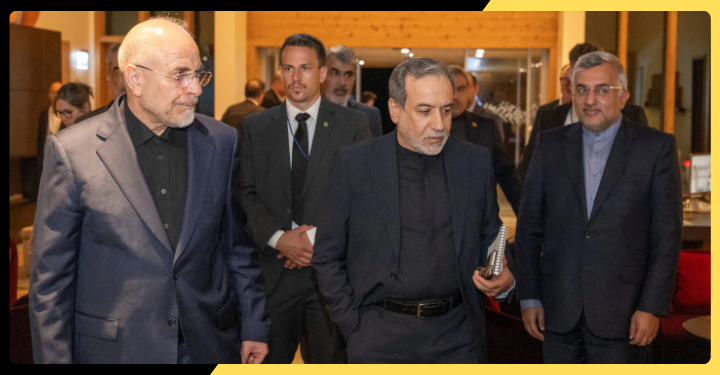
According to media reports citing unnamed officials, U.S. intelligence agencies identified information suggesting that individuals involved in ongoing ceasefire negotiations could be at risk. The United States reportedly shared this intelligence with Iranian authorities in an effort to prevent any incident that might derail sensitive diplomatic efforts.
However, the lack of official confirmation means that key details remain unverified, and governments involved have remained largely silent on the matter.
A Fragile Diplomatic Landscape
Ceasefire negotiations in the Middle East are often conducted under extremely sensitive conditions. Mediators work to bridge deep political divisions between rival parties while managing urgent humanitarian concerns such as civilian protection, aid delivery, and prisoner exchanges.
These talks depend heavily on confidentiality and trust, both of which can be undermined by security threats or even rumors of targeted attacks. The reported warning has therefore raised concerns among observers about the stability of ongoing diplomatic processes.
Experts note that negotiators play a critical role in preventing escalation, and any disruption to their work could delay or weaken efforts to reach agreements.
Rare US–Iran Intelligence Contact
One of the most notable aspects of the report is the alleged communication between the United States and Iran—two countries that have had strained relations for decades.
Despite their political differences, limited intelligence sharing has occurred in exceptional circumstances when both sides have a shared interest in preventing regional instability. Such exchanges are typically narrow, highly specific, and focused on urgent threats rather than broader cooperation.
If the reports are accurate, this instance would represent another example of pragmatic communication driven by crisis prevention rather than diplomacy.
Israel Silent on Allegations
Israeli officials have not responded publicly to the claims. Israel generally refrains from commenting on intelligence matters or allegations involving covert operations, particularly when such reports are based on anonymous sources.
Without official statements, there is no verified evidence confirming that any planned operation existed or was actively being considered. Intelligence assessments can also change rapidly as new information becomes available.
Security analysts caution that premature conclusions should be avoided in the absence of confirmed data.
Impact on Ceasefire Negotiations
The reported warning has raised concerns about the potential impact on ongoing peace talks. Negotiators require stable and secure conditions to engage in dialogue effectively, especially when dealing with deeply hostile parties.
If mediators believe they may be targeted, they could reduce travel, shift to remote communication, or delay meetings altogether. Such changes can slow negotiations and reduce the chances of reaching meaningful agreements.
Humanitarian organizations have warned that any disruption in ceasefire efforts could have serious consequences for civilians affected by ongoing conflict.
Regional Stability at Risk
The Middle East remains a highly interconnected region where tensions in one area can quickly influence broader geopolitical dynamics. Analysts warn that any incident involving negotiators could escalate tensions between regional powers and complicate ongoing diplomatic efforts.
Even unconfirmed reports can have real-world consequences, as governments may adjust security postures or diplomatic strategies in response to perceived risks.
International observers continue to monitor the situation closely as the situation develops.
Calls for Verification and Caution
Diplomatic communities and policy experts have emphasized the importance of verifying intelligence-related claims before drawing conclusions. In complex geopolitical environments, incomplete or evolving information can sometimes lead to misinterpretation.
At the same time, there is strong consensus that the safety of negotiators must be prioritized to ensure that diplomatic channels remain open.
Many international actors continue to call for restraint and continued engagement in dialogue despite heightened tensions.
Unanswered Questions Persist
Key questions remain unresolved, including whether a credible threat was actually identified, what the intelligence sources were, and how imminent any alleged risk may have been.
With no formal confirmation from any government, the story remains based largely on media reporting and anonymous sources.
Nevertheless, the situation highlights how quickly diplomatic efforts can be influenced by security concerns, and how fragile ceasefire negotiations remain in regions marked by prolonged conflict and mistrust.