Governments across the Gulf have stepped up security precautions following heightened tensions between the United States and Iran, with Bahrain and Kuwait implementing additional defensive measures to safeguard national security. Although no confirmed missile attacks have been reported against either country, officials are treating the regional situation with caution as fears of possible retaliation continue to grow after recent U.S. military strikes on Iranian military-linked facilities.
Authorities in Bahrain and Kuwait have reassured the public that the increased security presence is a preventive measure rather than a response to an immediate threat. Military, police, and civil defense agencies have intensified coordination while strengthening surveillance around strategic locations, including military installations, airports, seaports, energy facilities, and major government buildings.
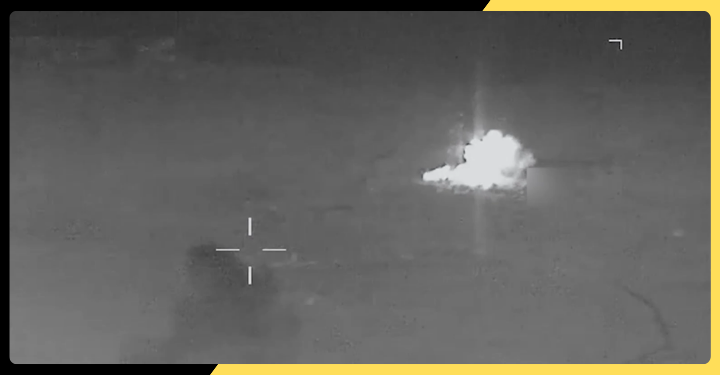
The latest regional crisis began after the United States launched airstrikes against facilities it described as supporting Iranian military capabilities. U.S. officials said the operation was intended to protect American personnel and allied interests while reducing security threats in the Middle East. Iran strongly condemned the strikes, describing them as an act of aggression and warning that it reserved the right to respond.
Although Tehran has not officially identified potential targets, security experts believe Gulf countries hosting U.S. military forces could remain under increased risk if the confrontation escalates. Bahrain hosts the headquarters of the U.S. Navy’s Fifth Fleet, while Kuwait serves as one of the region’s most important logistical hubs for American military operations. Their strategic importance has placed both nations at the center of international attention.
Bahrain’s government has responded by reinforcing security around key infrastructure and increasing patrols across major urban areas. Authorities have activated emergency coordination centers and reviewed response plans for a range of possible scenarios. Officials continue to emphasize that residents should remain calm and rely exclusively on verified information distributed through official government channels.
Kuwait has implemented similar precautionary measures, including enhanced protection for military facilities, transportation hubs, and critical infrastructure. Security agencies have increased intelligence-sharing with allied partners while ensuring that emergency response teams remain fully prepared to act if necessary. Government representatives have stressed that there is no indication of an imminent attack but said maintaining readiness is essential during periods of regional uncertainty.
The Gulf remains one of the world’s most strategically significant regions because of its role in global energy production and international trade. The area contains some of the largest oil and natural gas reserves, while the Strait of Hormuz serves as one of the busiest shipping routes for crude oil exports. Any disruption in regional security could affect energy supplies and influence economies worldwide.
Financial markets have reacted cautiously as investors monitor developments. Oil prices have experienced fluctuations due to concerns that prolonged instability could interfere with production or shipping operations. Shipping companies have also reviewed maritime security conditions while assessing potential risks to commercial vessels operating in the Gulf.
Defense analysts note that Bahrain and Kuwait possess advanced missile defense systems capable of detecting and intercepting a wide range of aerial threats. Integrated radar networks, early warning systems, and close cooperation with allied militaries strengthen the region’s defensive capabilities. However, experts also acknowledge that evolving threats, including drones and cyber operations, require continuous modernization of defense strategies.
The international community has responded by encouraging restraint and diplomacy. The United Nations has urged all parties to avoid actions that could worsen the situation, while governments across Europe and Asia have called for renewed dialogue between Washington and Tehran. Many regional leaders have also emphasized that diplomatic engagement remains the most effective means of preventing further escalation.
Despite the heightened security environment, everyday life in Bahrain and Kuwait has continued without significant disruption. Schools, hospitals, businesses, and public transportation systems remain fully operational. Government agencies have encouraged citizens and expatriate residents to avoid spreading rumors on social media, noting that misinformation can create unnecessary concern during periods of heightened tension.
Economic experts warn that an extended period of instability could affect sectors including tourism, aviation, shipping, insurance, and foreign investment. Companies operating throughout the Gulf continue to monitor the security situation while reviewing contingency plans designed to protect employees and maintain business operations.
Political observers believe the next few days will be critical in determining whether the crisis moves toward diplomacy or further confrontation. Decisions made by both the United States and Iran, along with mediation efforts by regional and international partners, are expected to shape the direction of the conflict.
For Bahrain and Kuwait, the current situation highlights the importance of balancing strong international security partnerships with a commitment to regional peace and stability. Both governments have repeatedly stated that protecting national security while supporting diplomatic solutions remains their highest priority.
As tensions continue to evolve, Gulf nations remain vigilant while working closely with allies to ensure regional stability. Enhanced military readiness, coordinated intelligence efforts, and ongoing diplomatic engagement will play a decisive role in preventing further escalation. The international community will continue watching developments closely as leaders seek peaceful solutions to one of the most significant security challenges facing the Middle East in recent years.