Iran has announced that negotiations with Oman over a crucial agreement concerning the Strait of Hormuz are in their final stages, signaling what could become one of the most important diplomatic developments in the Middle East this year. The announcement has attracted global attention, particularly after former U.S. President Donald Trump suggested that a breakthrough in regional diplomacy may be close. Together, these developments have fueled optimism that long-standing tensions surrounding one of the world’s most strategically important maritime routes could soon begin to ease.
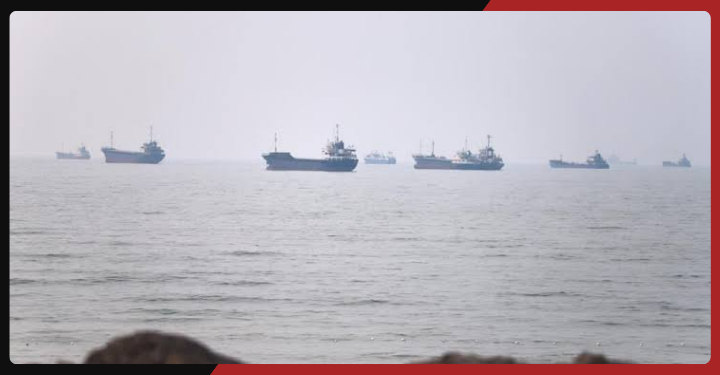
The Strait of Hormuz is widely recognized as one of the most critical waterways in the global economy. Positioned between Iran and Oman, the narrow passage links the Persian Gulf to the Gulf of Oman and the Arabian Sea. It serves as the primary export route for oil and natural gas produced by several Gulf nations. Nearly 20 percent of the world’s crude oil and a significant share of liquefied natural gas shipments pass through the strait every day, making its security essential for global trade and energy markets.
For decades, the Strait of Hormuz has been at the center of geopolitical rivalries. Military exercises, tanker seizures, drone incidents, naval deployments, and political disputes have repeatedly heightened tensions in the region. Even isolated incidents have had global consequences, triggering fluctuations in oil prices, increasing shipping insurance costs, and creating uncertainty for international markets. Because of these risks, any diplomatic initiative aimed at ensuring stability in the strait is viewed as highly significant.
Iranian officials confirmed that discussions with Oman have progressed substantially and that only a handful of technical issues remain before the agreement is finalized. While neither government has released the complete text of the proposed accord, officials have indicated that it is designed to improve maritime security, strengthen cooperation between coastal authorities, facilitate safer commercial navigation, and establish communication mechanisms to prevent misunderstandings at sea.
The proposed agreement reflects growing recognition among regional governments that stability in the Gulf is in everyone’s economic interest. Safe shipping through the Strait of Hormuz benefits oil exporters, importing nations, shipping companies, insurers, and financial markets alike. Analysts believe that reducing tensions in the region could create long-term economic benefits while lowering the risk of accidental military confrontations.
Oman has once again emerged as a key diplomatic player in the Middle East. The Sultanate has built a reputation for maintaining balanced relations with countries that often disagree on regional issues. Unlike many governments in the region, Oman has consistently pursued a policy of neutrality, allowing it to act as a trusted mediator between Iran, Gulf Arab states, Western governments, and other international partners.
Muscat’s diplomatic approach has earned widespread respect over the years. The country has quietly facilitated several sensitive negotiations, including talks involving Iran and Western powers. Its willingness to encourage dialogue rather than confrontation has helped reduce tensions during some of the Middle East’s most challenging diplomatic crises. The current Hormuz negotiations further reinforce Oman’s role as a bridge between competing regional interests.
Former U.S. President Donald Trump’s comments have also drawn significant international attention. While discussing developments in the Gulf, Trump suggested that meaningful progress was being made and hinted that an important diplomatic breakthrough could soon emerge. Although he did not provide specific details or officially confirm any agreement, his remarks fueled speculation that multiple diplomatic channels are actively working toward greater regional stability.
Trump’s optimistic tone is particularly notable given the history of U.S.-Iran relations during his administration. His decision to withdraw the United States from the 2015 nuclear agreement and impose extensive economic sanctions on Iran contributed to years of heightened tensions. Military incidents in the Gulf increased during that period, leading to concerns about broader regional conflict. The current atmosphere of dialogue therefore represents a significant shift from the confrontational environment seen in previous years.
Economic considerations remain one of the strongest motivations behind the negotiations. The global economy depends heavily on uninterrupted energy supplies from the Gulf region. Countries across Asia, Europe, and North America import millions of barrels of oil transported through the Strait of Hormuz every day. Any disruption in shipping can affect fuel prices, transportation costs, industrial production, and inflation worldwide.
Shipping companies have long faced increased operating expenses because of security risks in the Gulf. Tankers traveling through the Strait of Hormuz often require higher insurance coverage and additional safety precautions during periods of political uncertainty. A successful agreement between Iran and Oman could improve confidence among international shipping operators, potentially lowering insurance costs and reducing delays.
Energy experts believe the proposed accord could also have a stabilizing effect on global oil markets. Even limited improvements in regional security tend to reassure investors and reduce fears of supply disruptions. While many factors influence energy prices, diplomatic progress in one of the world’s most important oil transit routes is always viewed positively by financial markets.
For Iran, completing the agreement could strengthen both its regional and international position. The country continues to face economic challenges resulting from sanctions and restricted international trade. Demonstrating a commitment to peaceful regional cooperation may help improve diplomatic relations with neighboring countries while creating opportunities for expanded commercial engagement.
Oman also stands to benefit by reinforcing its international image as one of the Middle East’s most effective mediators. Its consistent emphasis on dialogue, compromise, and peaceful conflict resolution has distinguished the country in a region often characterized by political rivalries.
Despite the encouraging developments, experts caution that important work remains after the agreement is signed. Successful implementation will require sustained political commitment, transparency, effective communication, and cooperation between all parties involved. Maritime security is a continuous process rather than a one-time achievement.
The broader regional landscape has also shown signs of gradual improvement in recent years. Several Middle Eastern countries have taken steps toward restoring diplomatic ties, recognizing that economic growth and long-term development depend on stability rather than confrontation. Maritime cooperation forms an important part of these wider efforts to build trust across the region.
As the negotiations approach their conclusion, governments, international organizations, shipping companies, and energy markets will continue watching closely. If finalized, the Iran-Oman Hormuz agreement could become a landmark diplomatic achievement, strengthening regional security, safeguarding one of the world’s busiest maritime corridors, and demonstrating that diplomacy remains the most effective path toward lasting peace and economic stability in the Gulf.