The controversy over the Delhi student protest crackdown has moved from the streets into Parliament, where the Centre has offered to let Home Minister Amit Shah make a statement on the incident. The government, however, has asked the Opposition to maintain order and stop disrupting proceedings.
The proposal comes after weeks of political controversy surrounding the police response to the July 20 protest march. What began as a demonstration in Delhi has now developed into a larger debate over police accountability, the right to protest and the responsibilities of the Union Home Ministry.
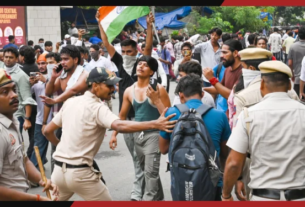
On July 20, protesters gathered in Delhi and attempted to march towards Parliament. Security forces stopped the march and used tear gas as the situation escalated. The police response drew criticism from Opposition leaders and civil society voices, particularly after videos showing force against protesters spread online.
The presence of some policemen in civilian clothes also became controversial. Delhi Police confirmed that plainclothes personnel had been deployed as reinforcements for law-and-order duties. Critics questioned whether protesters could clearly identify such personnel during a tense crowd-control operation.
The Opposition subsequently focused its attention on Amit Shah. Because Delhi Police falls under the Union Home Ministry, opposition leaders argued that the Home Minister should explain what happened and whether the central government had any role in the decisions taken during the crackdown.
Rahul Gandhi wrote directly to Shah seeking accountability. He accused the authorities of using excessive force against students and questioned the decision-making behind the operation.
The Centre has denied that ministers personally ordered the use of force. The government’s position has been that operational decisions were taken by the police and administrative authorities.
The political dispute has now reached a critical stage in Parliament.
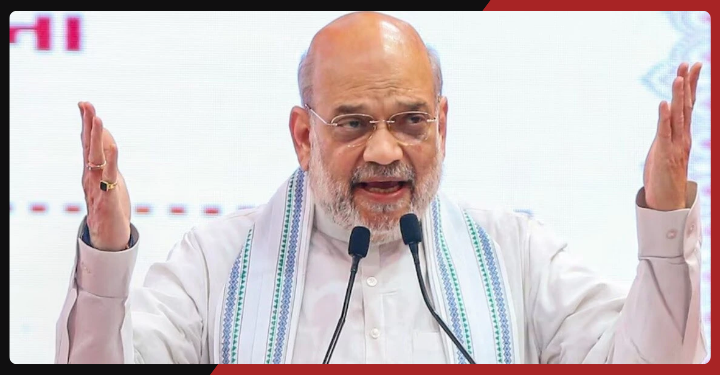
Parliamentary Affairs Minister Kiren Rijiju has said that Amit Shah is ready to make a statement, but the government expects the Opposition to allow the House to function. The proposal is being seen as an effort to find common ground between the government’s willingness to discuss the matter and the Opposition’s demand for accountability.
However, the Opposition has continued to protest. Its leaders have raised the crackdown alongside other political demands, making it difficult to separate the issue from the wider confrontation between the government and opposition parties.
Lok Sabha Speaker Om Birla has appealed to the Opposition to stop its protests and allow Parliament to conduct business.
At the same time, the government faces the challenge of addressing public questions about the police action without allowing misinformation to dominate the debate.
One widely circulated video claimed that a senior Delhi Police officer had said Amit Shah ordered the police to end the protest at any cost. Fact-checkers found that the video had been digitally manipulated. The original police communication called for restraint and peaceful demonstrations.
An official statement by Amit Shah could therefore become an important moment in the controversy. It could establish the government’s account of the events and explain the role of the police and administrative machinery.
The Opposition, meanwhile, is likely to press the minister on questions surrounding the use of force and responsibility.
The larger issue is now whether Parliament can become the forum for resolving the dispute rather than another battleground. The Centre has offered a statement, but it wants proceedings to remain orderly.
If the two sides reach an understanding, Amit Shah could finally address the controversy directly in Parliament. If they fail, the protest crackdown could continue to dominate the Monsoon Session and deepen the political confrontation between the government and Opposition.