The Supreme Court’s decision to review the Election Commission of India’s voter roll freeze in West Bengal has the potential to significantly impact the state’s election dynamics. The case comes at a crucial time, with political stakes running high.
The Election Commission has defended its decision as a necessary step to ensure orderly elections. By freezing the voter list, the Commission aims to prevent last-minute changes that could lead to confusion or irregularities. However, the move has been met with criticism from those who believe it restricts voter participation.
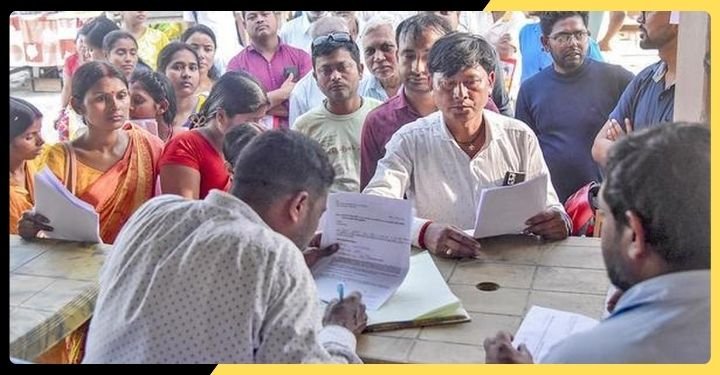
The petition filed in the Supreme Court challenges the legality of the freeze. It argues that the decision prevents eligible citizens from registering and correcting errors, thereby undermining the democratic process. The plea calls for the court to direct the ECI to allow updates to the electoral rolls.
The case raises broader questions about the role of electoral institutions in a democracy. While efficiency and order are important, they must not come at the cost of inclusivity. The right to vote is a fundamental aspect of citizenship, and any restriction on this right must be carefully justified.
Legal observers suggest that the Supreme Court may adopt a nuanced approach. It could allow limited updates to the voter list while maintaining safeguards to ensure administrative stability. Such a decision would aim to strike a balance between competing priorities.
The outcome of the case could have significant political implications. In a closely contested election, the composition of the voter list can influence results. As a result, all major stakeholders are keenly watching the proceedings.
The controversy also highlights the importance of transparency in electoral processes. Clear communication and fair practices are essential to maintaining public trust in democratic institutions. The Election Commission’s actions, as well as the court’s response, will play a key role in shaping perceptions.
As the Supreme Court prepares to hear the case, the focus remains on ensuring that the upcoming elections are both fair and inclusive. The decision will likely set an important precedent for how electoral rolls are managed in India.
In the end, the case serves as a reminder of the complexities involved in conducting elections in a large and diverse democracy. Balancing efficiency, fairness, and inclusivity is no easy task, but it is essential for the health of the democratic system.