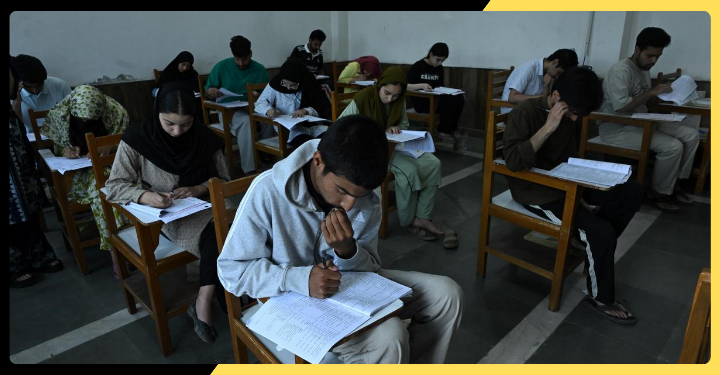
The National Eligibility cum Entrance Test (NEET-UG) 2026 retest, scheduled for June 21, will be conducted under an enhanced security framework that includes the deployment of the Indian Air Force (IAF) for the distribution of question papers. The decision marks a significant step in strengthening examination security and ensuring that one of India’s most important entrance tests is conducted in a fair, transparent, and efficient manner.
NEET-UG serves as the primary entrance examination for students seeking admission to undergraduate medical and allied healthcare courses across India. Every year, millions of aspirants compete for limited seats in medical colleges, making the examination one of the most competitive academic assessments in the country. Because of its importance, maintaining the integrity of the examination process is essential for preserving public trust and ensuring equal opportunities for all candidates.
Authorities have announced that the Indian Air Force will play a key role in transporting question papers from secure facilities to examination centers located across various regions of the country. The involvement of the IAF is expected to significantly improve the safety and efficiency of the distribution process. Military logistics are known for their precision, discipline, and ability to handle sensitive operations under strict security conditions.
The decision to deploy the Indian Air Force reflects a broader effort by examination authorities to prevent any potential security breaches. Officials have emphasized that question papers are highly confidential materials and must be handled with the utmost care. Any compromise in their security could undermine the credibility of the examination and affect the future prospects of thousands of students.
To address these concerns, authorities have developed a comprehensive distribution strategy. Question papers will be packed in secure containers and transported under close supervision. Multiple checkpoints and verification procedures are expected to be implemented throughout the process to ensure that examination materials remain protected from unauthorized access.
The National Testing Agency (NTA), which oversees the conduct of NEET-UG, is coordinating closely with defense authorities and local administrations to facilitate the operation. This collaboration aims to ensure that question papers reach examination centers on time and in accordance with strict security guidelines.
Students preparing for the June 21 retest have welcomed the announcement. Many candidates believe that stronger security arrangements will help create a level playing field and reinforce confidence in the examination system. For medical aspirants, the examination represents a critical milestone in their academic journey, and fairness is a key concern.
Parents have also expressed support for the initiative. They view the involvement of the Indian Air Force as evidence that authorities are taking examination security seriously. Many believe that such measures are necessary to protect students’ hard work and maintain the reputation of India’s educational institutions.
Educational analysts have noted that the deployment of military resources for examination logistics is a rare but significant development. They argue that large-scale competitive examinations face increasingly complex security challenges, requiring innovative and robust solutions. The use of the Indian Air Force demonstrates a willingness to adopt advanced logistical strategies to safeguard the examination process.
Beyond the transportation of question papers, authorities are expected to introduce additional security measures at examination centers. These may include enhanced surveillance systems, biometric attendance verification, stricter identity checks, and increased coordination with local law enforcement agencies. Together, these measures are intended to create a secure environment in which candidates can focus solely on their performance.
The National Testing Agency has advised students to stay informed through official communication channels. Candidates are encouraged to regularly check updates regarding admit cards, examination center allocations, reporting schedules, and examination-day guidelines. Officials have also cautioned students against relying on rumors or unverified information circulating online.
Preparations for the retest are progressing at multiple levels. Examination centers are being reviewed to ensure compliance with security requirements, while personnel involved in conducting the examination are receiving instructions regarding operational procedures. The objective is to ensure a smooth and disruption-free experience for all candidates.
Experts believe that the success of the June 21 retest could have broader implications for examination management in India. If the enhanced security arrangements prove effective, they may serve as a model for future competitive examinations. The adoption of military-supported logistics could inspire similar initiatives aimed at improving transparency and operational efficiency.
The deployment of the Indian Air Force for question paper distribution has attracted considerable public attention and generated discussion about the future of examination security. Many observers view the move as a strong commitment to protecting the interests of students and maintaining confidence in the country’s educational assessment systems.
As the examination date approaches, expectations remain high. Students, parents, educators, and policymakers will closely watch the implementation of the security framework. With the Indian Air Force supporting logistics and authorities enforcing strict protocols, the NEET-UG 2026 retest is expected to be conducted under one of the most secure examination arrangements seen in recent years.
The initiative ultimately reflects a shared goal: ensuring that every candidate has an equal opportunity to succeed based on merit, preparation, and performance. By prioritizing security and transparency, authorities hope to strengthen the credibility of the examination process and reinforce trust in India’s higher education admission system.