
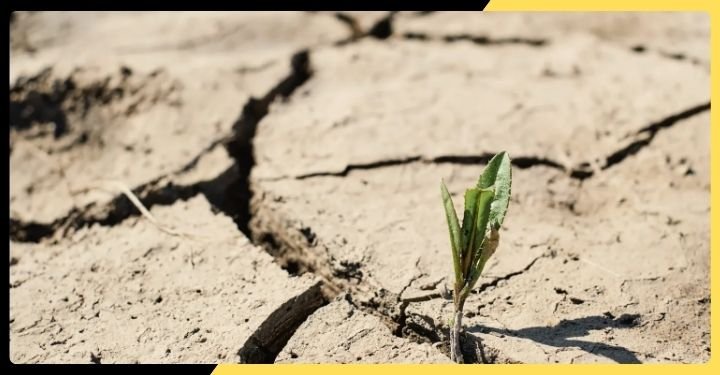
India’s agricultural sector is confronting growing uncertainty after the country experienced its driest June in more than a decade, raising fresh concerns about the impact of changing weather patterns on farming and food production. The weak start to the southwest monsoon has delayed sowing activities in several states, leaving millions of farmers waiting for rainfall that is essential for the successful cultivation of kharif crops. As climate variability becomes increasingly evident, experts say the latest rainfall deficit underscores the urgent need to strengthen the resilience of India’s agriculture.
The southwest monsoon is the lifeline of Indian farming, supplying nearly 75 percent of the country’s annual rainfall. Every year, the arrival of monsoon showers signals the beginning of the kharif season, allowing farmers to plant crops such as rice, cotton, soybean, maize, pulses, groundnut, and millets. When rainfall is delayed or significantly below normal during June, the entire agricultural calendar can be disrupted, affecting planting schedules and crop development.
This year’s unusually dry conditions have forced many farmers to postpone sowing operations. Fields prepared for cultivation remain dry in several regions, while seeds purchased in advance remain unused as growers wait for adequate soil moisture. For those who planted early in anticipation of rainfall, poor germination has become a concern, increasing the likelihood of re-sowing and adding to cultivation costs.
Climate scientists note that weather patterns across South Asia have become more unpredictable over the past decade. Instead of receiving steady rainfall spread evenly across the monsoon season, many areas are experiencing longer dry spells interrupted by brief episodes of intense rainfall. Such uneven distribution often reduces the benefits of seasonal precipitation because heavy downpours can lead to runoff and flooding rather than gradual absorption into the soil.
The changing climate presents serious challenges for Indian agriculture, particularly because nearly half of the country’s cultivated land still depends on rainfall rather than assured irrigation. Farmers in rain-fed areas are especially vulnerable to fluctuations in monsoon performance, with limited options when rainfall fails during critical planting periods. Small and marginal farmers, who often have fewer financial resources, face the greatest risks from repeated weather-related disruptions.
Agricultural experts warn that delayed sowing may reduce crop yields even if rainfall improves later in the season. Many crops require planting within specific time windows to complete their growth cycle under favorable conditions. A shortened growing season can expose crops to heat stress, pests, and diseases, while also reducing overall productivity. Farmers may switch to shorter-duration or drought-resistant crop varieties, but these alternatives may not always generate the same level of income.
Water resources are also under pressure. Early monsoon rainfall is essential for replenishing reservoirs, lakes, village ponds, and groundwater reserves. Lower water availability at the beginning of the season can affect irrigation throughout the crop cycle, particularly in areas where groundwater extraction already exceeds natural recharge. Efficient water management is becoming increasingly important as climate uncertainty continues to influence rainfall patterns.
The effects extend beyond agriculture. Rural economies depend heavily on farming activities for employment and income. Delayed sowing reduces demand for agricultural labor during the planting season, affecting daily wage earners and local businesses that supply farming equipment, fertilizers, seeds, and transport services. If agricultural production declines significantly, food prices could rise, contributing to inflation and increasing pressure on household budgets across the country.
Government agencies are promoting climate-smart agricultural practices to help farmers adapt to changing weather conditions. These include the use of drought-tolerant seed varieties, micro-irrigation systems such as drip and sprinkler irrigation, rainwater harvesting, soil moisture conservation techniques, and improved weather advisory services. Agricultural universities and research institutions are also developing crop varieties capable of withstanding heat and water stress while maintaining productivity.
Experts believe that long-term investment in climate resilience will be essential for protecting India’s agricultural future. Expanding irrigation infrastructure, improving watershed management, restoring groundwater resources, and strengthening weather forecasting systems can help farmers respond more effectively to changing climatic conditions. Digital technologies that provide localized weather forecasts and crop advisories are also becoming valuable tools for improving farm decision-making.
Despite the disappointing start to the monsoon, hope remains that rainfall during July and August will improve enough to support crop development. Meteorologists continue to monitor weather systems closely, while farmers remain prepared to begin sowing as soon as favorable conditions return. The performance of the remaining monsoon months will play a decisive role in determining agricultural output for the year.
As India navigates another season of uncertain weather, the experience of the driest June in more than ten years serves as a reminder of the growing challenges posed by climate variability. Strengthening agricultural resilience, improving water management, and supporting farmers through innovation and policy reforms will be critical to ensuring food security and protecting rural livelihoods in the years ahead.