
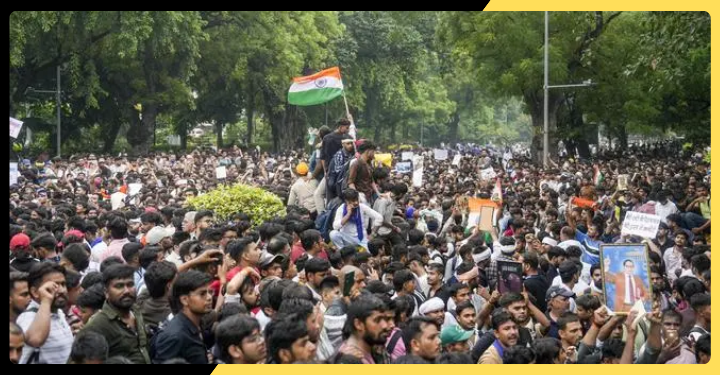
India is home to one of the world’s youngest populations, and Generation Z is rapidly becoming one of the country’s most influential forces. Born into an era of smartphones, high-speed internet and rapid technological innovation, this generation has witnessed extraordinary changes during its formative years. From economic uncertainty and the COVID-19 pandemic to the rise of artificial intelligence and an increasingly competitive job market, India’s young people have faced challenges unlike any previous generation. Yet, instead of giving up, they have demonstrated remarkable resilience, adaptability and determination.
This is why many observers describe Gen Z as India’s most resilient generation. They have grown up in a world where change is constant and uncertainty is normal. While these experiences have created new pressures, they have also shaped a generation that is creative, ambitious and willing to challenge outdated ideas. Their journey is not only about overcoming obstacles but also about creating hope and driving meaningful change.
One of the defining characteristics of India’s Gen Z is its ability to adapt quickly. Technology has played a major role in shaping this mindset. Unlike previous generations, today’s young Indians have grown up using digital devices from an early age. They are comfortable learning online, working remotely and communicating across the globe.
When the COVID-19 pandemic disrupted education and employment, Gen Z adapted faster than many expected. Students attended virtual classrooms, graduates participated in online interviews and professionals embraced remote work almost overnight. Although the transition was difficult, it demonstrated the flexibility that has become one of this generation’s greatest strengths.
However, resilience does not mean life has been easy. Many young people entered adulthood during one of the most uncertain economic periods in recent history. Recruitment slowed, internships disappeared and fresh graduates faced fierce competition for limited opportunities. Even those with excellent academic qualifications often struggled to secure stable employment.
These experiences forced many young Indians to think differently about their careers. Instead of relying solely on traditional employment, they explored freelancing, digital entrepreneurship, online teaching and content creation. Platforms such as YouTube, Instagram and LinkedIn became more than social media—they became career-building tools.
The entrepreneurial spirit among Gen Z has grown significantly in recent years. Many young Indians are launching start-ups, selling products online or offering digital services to clients around the world. The internet has removed geographical barriers, allowing skilled professionals to compete in global markets from their homes.
Continuous learning has also become a defining feature of this generation. Unlike earlier decades, earning a university degree is no longer seen as the end of education. Technology evolves rapidly, and new industries emerge every year. As a result, Gen Z actively pursues online courses, professional certifications and practical skills to remain competitive.
Fields such as artificial intelligence, cybersecurity, digital marketing, data science and software development have become popular areas of study. Young professionals understand that adaptability is essential for long-term career success.
Mental health is another area where India’s resilient generation is driving change. Previous generations often avoided discussing stress, anxiety or depression due to social stigma. Gen Z has challenged this silence by encouraging open conversations about emotional well-being.
Universities, workplaces and public figures are increasingly recognising the importance of mental health. Although access to support remains uneven across the country, awareness has improved significantly. Many young people now believe that seeking professional help demonstrates strength rather than weakness.
Workplace expectations have also evolved. Instead of accepting long hours and unhealthy work environments without question, Gen Z is advocating for work-life balance, flexible schedules and respectful leadership. They believe career success should not require sacrificing personal health or family relationships.
Employers are gradually responding to these changing expectations. Hybrid work models, employee wellness programmes and flexible working arrangements are becoming more common, particularly in technology and service industries. Organisations that prioritise employee well-being often find it easier to attract and retain talented young professionals.
Social responsibility has become another defining characteristic of this generation. Young Indians are increasingly interested in environmental sustainability, diversity, gender equality and ethical business practices. They expect companies to contribute positively to society rather than focusing solely on profits.
Digital platforms have amplified these voices. Social media enables Gen Z to organise campaigns, share opinions and hold organisations accountable for their actions. Whether discussing climate change, workplace culture or education reform, young people are using technology to influence public conversations.
Despite facing numerous challenges, optimism remains one of Gen Z’s greatest strengths. Many believe that India’s future holds tremendous opportunities in technology, innovation, entrepreneurship and global collaboration. They recognise the country’s growing influence in the digital economy and are eager to contribute to its development.
However, they also understand that progress requires systemic improvements. Better education, quality employment, affordable housing, accessible healthcare and stronger mental health support remain essential priorities. Resilience alone cannot solve every problem; supportive policies and inclusive economic growth are equally important.
The rise of India’s resilient generation is about far more than surviving difficult times. It is about transforming adversity into opportunity. Young Indians have learned to adapt, innovate and support one another through periods of uncertainty. They have embraced change instead of fearing it and have challenged traditional ideas that no longer reflect modern realities.
As India continues its journey toward becoming a global economic powerhouse, Gen Z will play a central role in shaping that future. Their resilience, creativity and determination are already influencing workplaces, education, entrepreneurship and social values. More importantly, they are proving that true resilience is not simply about enduring hardship—it is about using every challenge as a stepping stone towards lasting change and a better future for all.