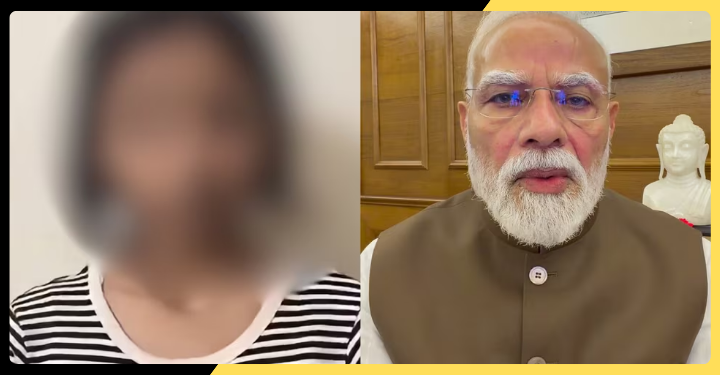
A viral social media video allegedly showing a 15-year-old boy from Noida using abusive language against Prime Minister Narendra Modi has sparked a nationwide debate over freedom of speech, responsible online behavior, and the legal accountability of minors. What initially appeared to be another controversial social media post quickly escalated into a national issue, prompting discussions among politicians, legal experts, educators, parents, and millions of internet users. As criticism intensified, the teenager issued a public apology, saying he regretted his actions and asking the nation for forgiveness.
The controversy unfolded after the original video began circulating across platforms such as X, Instagram, Facebook, and WhatsApp. The clip allegedly contained offensive remarks directed at the Prime Minister, triggering outrage among many viewers. Within hours, screenshots and recordings of the video were widely shared, while hashtags related to the incident began trending online.
Facing intense criticism, the teenager released another video in which he publicly apologized. Standing with folded hands, he said, “I am sorry to the entire nation. I am just 15 years old. I made a mistake. Please forgive me.” His emotional appeal quickly gained millions of views, generating a fresh wave of public reactions. Some praised him for accepting responsibility, while others argued that the seriousness of the incident required further legal examination.
The episode has become a focal point in the ongoing discussion about the limits of free speech in India. The Constitution guarantees citizens the right to freedom of speech and expression under Article 19(1)(a). However, legal experts point out that this right is subject to reasonable restrictions under Article 19(2), including concerns related to public order, defamation, decency, and the sovereignty and integrity of the nation. Whether the teenager’s remarks fall within the scope of protected expression or constitute unlawful speech would depend on the specific facts and applicable law.
Since the boy is only 15 years old, any official proceedings involving him would fall under the Juvenile Justice (Care and Protection of Children) Act. Unlike adult criminal proceedings, the juvenile justice system emphasizes reform, education, counseling, and rehabilitation rather than punishment. Child rights advocates argue that the law recognizes the emotional and psychological development of adolescents and seeks to help them become responsible citizens.
The controversy has also highlighted the extraordinary influence of social media in shaping public opinion. A video recorded in a private setting can now reach millions of viewers within hours, transforming an individual into a national headline overnight. Digital platforms reward engagement, often amplifying controversial content through algorithms that prioritize trending topics.
Experts in digital communication believe this incident reflects a broader challenge facing modern societies. Social media encourages instant reactions, but users—particularly teenagers—may not fully appreciate the long-term consequences of what they post. Content intended for a small audience can quickly become viral, attracting public criticism, media attention, and even legal scrutiny.
Child psychologists note that adolescence is a period of emotional development during which decision-making abilities are still maturing. Teenagers are often influenced by peer pressure, online trends, and the desire for social recognition. Many experts argue that while offensive conduct should not be ignored, society should distinguish between deliberate criminal intent and youthful immaturity. Counseling, education, and family support are often viewed as more effective responses than harsh punishment.
Educational institutions have also entered the discussion, with many teachers emphasizing the need for comprehensive digital literacy programs. Schools increasingly recognize that students need guidance not only in using technology but also in understanding cyber ethics, respectful communication, online safety, and the legal implications of digital behavior. Responsible digital citizenship has become a crucial life skill in the internet age.
Political reactions to the controversy have been mixed. Supporters of the Prime Minister condemned the alleged abusive remarks and argued that elected representatives deserve basic respect, regardless of political differences. Others stressed that criticism of public officials is an important feature of democracy but should remain civil and respectful. The debate has therefore expanded beyond one viral video to broader questions about political discourse in the digital era.
Parents across the country have also expressed concern over the incident. Many believe it serves as a reminder that children require greater supervision while using social media. Experts encourage families to maintain open communication about online conduct, explaining that respectful speech and careful decision-making are essential in a world where every digital action leaves a lasting footprint.
Legal analysts have further pointed out that juvenile cases require careful handling to protect the identity and future of the child involved. Indian law generally discourages the public disclosure of a minor’s identity and prioritizes rehabilitation. Even when public outrage is significant, authorities are expected to follow procedures designed specifically for children.
The incident has also underscored the importance of digital permanence. Once a video is uploaded and shared online, removing it completely becomes extremely difficult. Even if the original content is deleted, copies may continue circulating for years, affecting a person’s education, employment opportunities, and public reputation. This reality makes responsible online behavior increasingly important for young users.
Public opinion remains sharply divided. One group believes that abusive language against constitutional authorities should attract firm legal consequences, regardless of the speaker’s age. Another believes the teenager’s public apology and willingness to admit his mistake should be considered, arguing that children deserve opportunities to learn and improve rather than being permanently judged for a youthful error.
The apology has not entirely ended the debate, but it has shifted the conversation toward accountability and second chances. Many observers believe that acknowledging mistakes publicly is an important first step toward personal growth, particularly for young people. Others maintain that awareness campaigns and educational initiatives are necessary to prevent similar incidents in the future.
Ultimately, the Noida teenager’s case has become more than just another viral controversy. It has opened a wider national discussion about freedom of expression, respectful political dialogue, juvenile justice, digital responsibility, and the powerful role of social media in shaping public opinion. As India continues to navigate the opportunities and challenges of the digital age, the incident serves as a reminder that words shared online can have consequences far beyond the screen.