
Northeast India presents unique challenges for military aviation due to its geography, climate, and infrastructure requirements. The region’s mountainous terrain, dense forests, and rapidly changing weather conditions demand exceptional skill from pilots and support personnel.
Aircraft operating in the area often undertake missions involving troop movement, logistical supply, surveillance, and humanitarian assistance. Remote locations frequently rely on air transport for essential supplies, making aviation a critical component of regional connectivity and security.
Weather conditions in the northeast can change rapidly, affecting visibility and flight safety. Heavy rainfall, fog, strong winds, and cloud cover require pilots to make complex operational decisions. These factors increase the importance of advanced navigation systems and accurate weather forecasting.
Infrastructure limitations also pose challenges. Some airstrips are located in difficult terrain and require specialized operating procedures. Military pilots undergo rigorous training to handle such environments, but risks remain inherent in these demanding conditions.
The Indian Air Force has consistently demonstrated its ability to operate effectively in the region despite these challenges. Its aviation assets play a vital role in supporting both defense objectives and civilian populations during emergencies. Relief operations following floods, landslides, and natural disasters frequently depend on military aircraft.
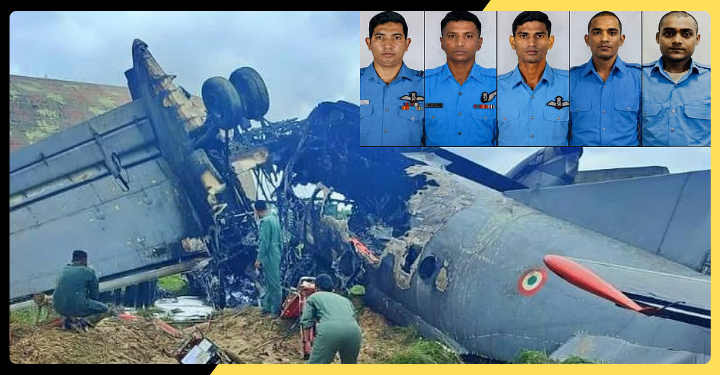
The Jorhat accident highlights the demanding nature of aviation missions in the northeast. Continued investment in technology, infrastructure, training, and safety systems is essential to ensuring operational success while minimizing risks to personnel and equipment.