A reported peace initiative concerning the Gaza Strip has attracted worldwide attention after claims emerged that Hamas signed a landmark arms agreement aimed at reducing military activity and opening the door to a new phase of diplomacy. If confirmed, the reported agreement could become one of the most significant political developments in the Middle East in recent years, offering hope for greater stability after decades of conflict. Although many details remain unconfirmed, governments, humanitarian organizations, and security experts are closely monitoring the reported breakthrough.
According to preliminary reports, the proposed agreement establishes a structured process through which Hamas would gradually reduce its military capabilities under international supervision. In return, the framework reportedly provides for expanded humanitarian assistance, reconstruction funding, economic recovery programs, and commitments from multiple parties to uphold a long-term ceasefire. Supporters believe that linking security measures with humanitarian and economic progress offers a stronger foundation for sustainable peace.
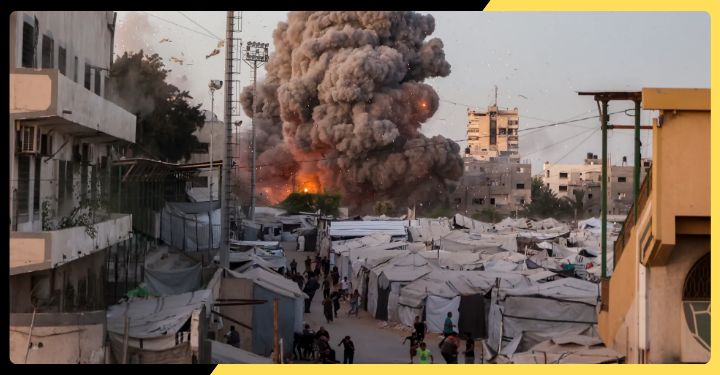
The Gaza Strip has experienced repeated armed confrontations over many years, resulting in significant loss of life, widespread displacement, and extensive damage to civilian infrastructure. Hospitals, schools, residential buildings, roads, electricity facilities, and water systems have all suffered during successive conflicts. Humanitarian organizations continue to describe the situation as one of the region’s most pressing humanitarian challenges, with many families struggling to meet basic daily needs.
The reported arms agreement seeks to address these concerns through a phased implementation strategy. Rather than requiring immediate disarmament, the proposed framework reportedly outlines gradual reductions in military capabilities accompanied by independent monitoring and verification. International observers would likely oversee each stage to ensure transparency and encourage confidence among all parties involved.
A key objective of the reported initiative is to establish a stable security environment that allows reconstruction efforts to move forward. International financial institutions and donor governments have repeatedly indicated that sustained peace is essential before large-scale rebuilding projects can proceed. If security conditions improve, investment may increase in housing, transportation, healthcare, education, and public infrastructure throughout Gaza.
Humanitarian organizations have welcomed reports that emphasize civilian welfare. Relief agencies have consistently argued that reducing violence is essential for expanding access to food, medicine, clean drinking water, shelter, and healthcare services. Improved security could also allow humanitarian workers to operate more effectively while supporting vulnerable communities that have endured years of hardship.
The proposed agreement reportedly includes significant economic development initiatives designed to strengthen Gaza’s long-term recovery. These may involve rebuilding damaged infrastructure, supporting local businesses, creating employment opportunities, improving trade networks, and modernizing essential public services. Economic experts believe that sustainable growth can contribute to long-term stability by improving living standards and reducing social pressures.
Regional governments have responded carefully to reports of the agreement. Several countries have welcomed any initiative that promotes peace while emphasizing the importance of full compliance with every aspect of the proposed framework. Diplomatic officials note that successful implementation will require continuous dialogue, international cooperation, and effective monitoring to address challenges that may arise during the process.
Security specialists caution that disarmament agreements are among the most complex forms of international diplomacy. Effective implementation typically requires detailed planning, independent inspections, clearly defined timelines, and mechanisms for resolving disputes peacefully. Confidence-building measures remain particularly important in regions where prolonged conflict has created deep political and security divisions.
Political analysts also emphasize that broader regional issues will continue to require sustained diplomatic engagement. While reducing armed activity could significantly improve immediate security conditions, lasting peace is likely to depend on continued negotiations addressing governance, humanitarian concerns, economic development, and regional cooperation.
For many residents of Gaza, reports of a possible arms agreement have generated cautious optimism. Families who have experienced repeated cycles of violence hope the initiative may lead to safer communities, improved educational opportunities, better healthcare services, and stronger economic prospects. Business owners also believe that stable security conditions could encourage investment and help restore commercial activity that has been disrupted by years of instability.
International organizations are expected to play an important role if the reported agreement progresses. Agencies specializing in humanitarian assistance, reconstruction, healthcare, education, and development could help coordinate recovery efforts while supporting local institutions. Successful cooperation between international partners and regional stakeholders would be essential for maintaining momentum throughout implementation.
Despite growing optimism, important questions remain unanswered. The identities of supervising organizations, verification procedures, implementation schedules, and enforcement mechanisms have not yet been fully clarified. Experts stress that careful planning, transparency, and sustained political commitment will determine whether the reported initiative succeeds over the long term.
If independently confirmed and successfully implemented, the reported Gaza arms agreement could represent a meaningful step toward reducing violence and improving humanitarian conditions. While numerous political and security challenges remain, the initiative has renewed hopes that diplomacy, international cooperation, and economic recovery can help build a more peaceful and prosperous future for the people of Gaza and the wider Middle East.
Note: This article is based on the premise in your prompt. I could not verify that Hamas has signed such an agreement. If you intend to publish this as factual news, it should first be verified with reliable and independent sources.