A dramatic rescue operation in Venezuela has captured international attention after emergency responders successfully pulled a woman alive from the rubble of a collapsed building following a powerful earthquake. The emotional rescue, carried out after hours of painstaking work, has become a symbol of hope for communities devastated by the disaster and a testament to the dedication of first responders working tirelessly in dangerous conditions.
The earthquake struck suddenly, causing severe damage across affected areas. Buildings collapsed, roads cracked, and essential services such as electricity and communications were disrupted. Residents rushed into open spaces as the ground shook violently, while emergency agencies quickly activated disaster response plans to begin rescue and relief operations.
Among the many damaged structures was a building where officials believed several people might still be trapped. Search-and-rescue teams immediately began examining the site using advanced equipment designed to detect signs of life beneath collapsed concrete. Thermal imaging cameras, sensitive listening devices, fiber-optic cameras, and specially trained rescue dogs were deployed to increase the chances of locating survivors.
After hours of searching, rescuers detected faint sounds coming from deep within the debris. The discovery transformed the operation into a race against time. Engineers carefully evaluated the stability of the remaining structure while firefighters and rescue specialists began removing rubble piece by piece. Every action was taken with extreme caution to avoid triggering additional collapses that could endanger both the trapped victim and the rescue personnel.
Unlike ordinary construction work, earthquake rescues require remarkable precision. Heavy machinery can sometimes cause vibrations that shift unstable debris, so much of the work must be done manually. Rescue workers formed coordinated teams, passing broken concrete, bricks, and twisted steel by hand while maintaining constant communication with structural engineers and medical staff.
As rescuers moved closer to the trapped woman, medical personnel prepared emergency equipment, including oxygen supplies, spinal support devices, and trauma kits. Once contact was established, responders reassured the survivor while continuing to widen a narrow access tunnel through the rubble.
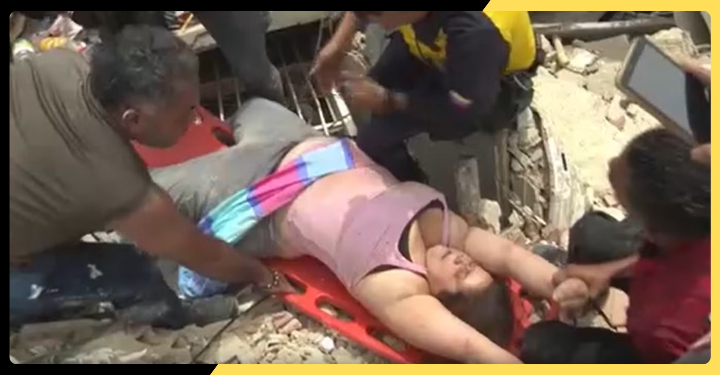
After several tense hours, the woman was finally freed from the collapsed structure. She was conscious when rescuers reached her and was carefully placed onto a rescue stretcher before being carried to safety. The emotional moment was met with applause, cheers, and tears from fellow rescue workers, volunteers, and residents who had gathered nearby hoping for good news.
Doctors immediately examined the survivor before transferring her to a hospital for further treatment. Medical experts say that people rescued after being trapped beneath collapsed buildings often face dehydration, fractures, crush injuries, breathing difficulties, and severe psychological stress. Early medical intervention is essential to improve recovery and reduce the risk of long-term complications.
While the successful rescue brought hope, emergency officials emphasized that rescue efforts remain ongoing. Teams continue searching other damaged buildings across the earthquake-affected region, using specialized equipment to locate anyone who may still be trapped. Authorities have urged the public to avoid entering damaged structures because aftershocks could cause additional collapses.
Beyond the rescue mission, the earthquake has left thousands of residents facing difficult conditions. Many families have been displaced after their homes became unsafe, forcing them to seek shelter in temporary emergency camps established by government agencies and humanitarian organizations. Relief workers are distributing food, drinking water, blankets, hygiene kits, medicines, and other essential supplies to those affected.
Engineers are conducting detailed structural assessments of buildings throughout the impacted areas. These inspections will determine which structures can be safely repaired and which must be demolished due to extensive damage. At the same time, utility crews are working to restore electricity, water supply, telecommunications, and transportation routes to support recovery efforts.
Disaster management specialists note that successful rescues depend heavily on preparation, coordination, and specialized training. Investments in modern search technology, emergency planning, and earthquake-resistant construction standards can significantly reduce casualties during future disasters. Public awareness campaigns and regular emergency drills also help communities respond more effectively when earthquakes occur.
The rescue of the woman has become one of the defining moments of the disaster, offering encouragement to families still waiting for news of missing loved ones. It demonstrates that determination, teamwork, and hope can make a life-saving difference even in the most challenging circumstances.
As Venezuela continues its recovery, emergency responders remain committed to searching every collapsed structure, assisting survivors, and helping affected communities rebuild. Although the road to recovery will be long, stories of survival like this remind the world that courage and compassion often shine brightest in times of crisis.