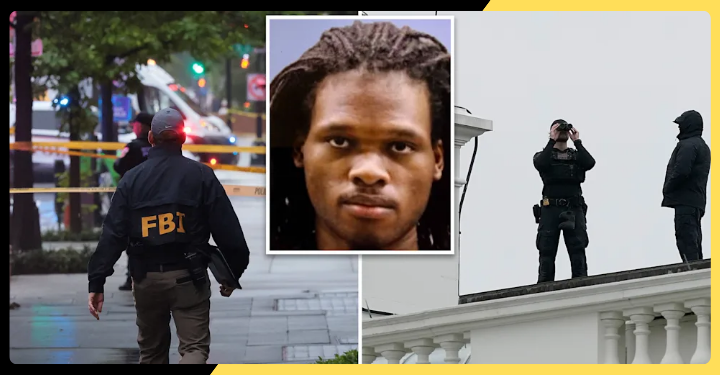
The 2025 White House shooting case has sparked intense debate across the United States after investigators revealed that the suspect had previously been arrested and reportedly believed he was “Jesus Christ.”
Authorities say the accused displayed severe warning signs long before the shooting incident occurred. According to officials, the suspect had shown paranoid behavior, made bizarre religious claims, and caused concern during earlier interactions with police.
Despite those incidents, the man was not kept under long-term supervision.
The shooting near the White House created moments of fear and confusion as security personnel rushed to respond. Witnesses described hearing gunfire and seeing officers draw weapons within seconds.
Secret Service teams successfully secured the area and prevented the suspect from entering sensitive government zones. Officials later praised the professionalism and speed of the response operation.
However, many questions remain about whether the attack could have been prevented altogether.
Investigators are reviewing records connected to the suspect’s earlier arrest, including recommendations for mental health evaluations. Lawmakers and security experts are now examining possible gaps in coordination between local authorities and federal agencies.
The incident has also fueled broader conversations about the challenges of handling individuals suffering from severe psychological disorders while balancing civil liberties and public safety concerns.
Mental health professionals argue that intervention systems in the United States often fail people experiencing serious psychiatric crises before situations become dangerous.
The White House attack has once again highlighted the pressure faced by security agencies protecting major political institutions from unpredictable threats.
As the investigation continues, authorities are expected to provide more information about the suspect’s background, medical history, and actions leading up to the shooting.