
The National Testing Agency (NTA) has outlined a detailed list of anti-leak measures before the Supreme Court in response to the controversy surrounding the alleged NEET-UG 2024 paper leak. Through an affidavit submitted to the apex court, the agency explained the corrective steps being introduced to improve examination security and restore trust among students and parents.
The NEET-UG examination, which determines admission to undergraduate medical programs across India, is one of the country’s most significant competitive tests. However, allegations that question papers were leaked before the examination sparked outrage nationwide and raised serious concerns about the credibility of the process.
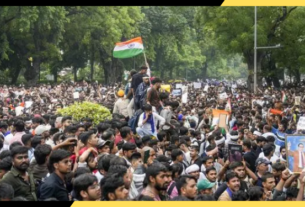
The controversy led to protests in several states, with students demanding fairness and transparency. Multiple petitions were also filed before the Supreme Court seeking cancellation of the examination and stricter action against those allegedly involved in malpractice.
In response to these developments, the NTA informed the court that it has developed a comprehensive security strategy designed to eliminate loopholes in the examination process. According to the affidavit, the reforms focus on technological upgrades, administrative monitoring, digital security, and coordination with law enforcement agencies.
One of the major anti-leak measures proposed by the agency is the introduction of advanced encryption protocols for handling examination papers. The NTA stated that question papers would now be stored and transmitted through highly secure digital systems accessible only to authorized personnel through multi-level authentication.
The affidavit also revealed plans to monitor the transportation of examination materials using GPS-enabled tracking systems. Vehicles carrying confidential documents will remain under continuous surveillance to ensure that no unauthorized access occurs during transit.
The NTA further stated that biometric verification systems may soon become compulsory at all examination centers. Candidates could be required to undergo fingerprint scanning, facial recognition, and digital attendance verification to prevent impersonation and fraudulent practices.
In another important reform, the agency announced stricter guidelines for selecting examination centers. Institutions lacking adequate security infrastructure or those with previous records of irregularities may be removed from the approved list. CCTV monitoring, secure storage rooms, and trained invigilators are expected to become mandatory for all centers.
The affidavit highlighted the use of artificial intelligence-based surveillance tools as part of the future examination process. AI-driven monitoring systems could help detect unusual candidate behavior, suspicious score patterns, or coordinated cheating attempts in real time. Experts believe that integrating technology into examination management can significantly reduce the risk of organized malpractice.
To ensure stronger coordination during examinations, the NTA said it would work closely with district administrations, police departments, and cybercrime units. Special control rooms and rapid-response teams may be deployed during examination periods to immediately investigate complaints or suspicious activities.
The Supreme Court, while hearing petitions related to the issue, observed that any compromise in the integrity of competitive examinations could severely impact the careers of deserving students. The court emphasized the importance of maintaining transparency and public trust in the system.
The NEET-UG controversy has also reignited discussions about broader reforms in India’s examination framework. Education experts have argued that large-scale examinations require stronger digital infrastructure, independent audits, and stricter punishment for those involved in paper leaks and cheating networks.
Meanwhile, investigative agencies continue to probe the alleged leak. Reports suggest that several individuals have been arrested from different states in connection with organized networks accused of illegally distributing question papers before the examination.
The NTA, in its affidavit, reiterated that it remains committed to ensuring fair and transparent examinations. The agency stated that the proposed anti-leak measures are intended to strengthen the credibility of NEET-UG and protect the interests of millions of students appearing for the examination every year.
Students and parents across the country are now closely monitoring the Supreme Court proceedings, hoping that the reforms will help prevent future controversies and ensure a level playing field for all candidates.