
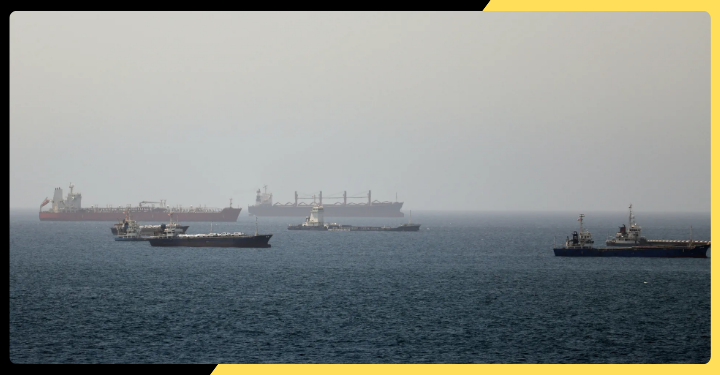
Crude oil prices moderated after an early surge triggered by geopolitical uncertainty linked to evacuation-related developments and security concerns around the Strait of Hormuz. The market reaction highlighted how quickly energy traders respond to potential risks in one of the world’s most critical oil transit corridors, even when no immediate disruption to supply is confirmed.
In the initial phase of the event, oil futures climbed sharply as traders factored in the possibility of shipping delays or partial restrictions in the Strait. Given that a significant share of global crude exports passes through this narrow waterway, even precautionary alerts can trigger outsized reactions in pricing. Brent crude and West Texas Intermediate both saw rapid gains as risk premiums expanded in response to uncertain headlines.
However, as the situation developed, market participants began to take a more balanced view. Updated shipping data and maritime monitoring reports indicated that tanker traffic continued to flow through the Strait without major interruption. While security awareness had increased, there was no evidence of sustained blockade or physical disruption to export routes. This helped ease immediate concerns about supply shortages.
As clarity improved, traders began to reassess the initial rally. Many short-term speculative positions were unwound, leading to a gradual decline in prices from their intraday highs. This moderation reflected a shift from fear-driven trading to fundamentals-based evaluation, where actual supply and demand conditions regained influence over pricing.
Analysts noted that oil markets are particularly sensitive to developments in the Gulf region due to its strategic importance in global energy logistics. The Strait of Hormuz serves as a key chokepoint for crude shipments from major producers, and any perceived instability can quickly translate into volatility across global benchmarks.
At the same time, broader market fundamentals remained relatively stable. Global production levels from major exporting countries did not change significantly during the period of uncertainty, and inventory data did not indicate any immediate tightening of supply. This helped anchor prices and prevent a sustained upward breakout.
Financial market behavior also played a role in the moderation of oil prices. Algorithmic trading systems, which often respond rapidly to geopolitical news, initially amplified upward movement. However, as follow-up information reduced perceived risk, these systems contributed to accelerated selling pressure, reinforcing the downward adjustment in prices.
Shipping insurance and freight markets, which had briefly priced in higher risk, also stabilized. The absence of confirmed incidents allowed insurers to ease premiums, reducing transportation cost pressures on crude exports. This normalization further supported the easing of oil prices.
Despite the moderation, traders continue to closely monitor developments in the region. The Gulf remains a sensitive geopolitical hotspot, and even temporary disruptions or heightened tensions can quickly reintroduce volatility into energy markets.
In conclusion, the moderation in oil prices reflects a familiar market pattern: rapid escalation in response to geopolitical uncertainty followed by stabilization once facts become clearer. While concerns around the Strait of Hormuz initially drove a strong rally, the lack of actual supply disruption allowed prices to ease as traders refocused on underlying market fundamentals.