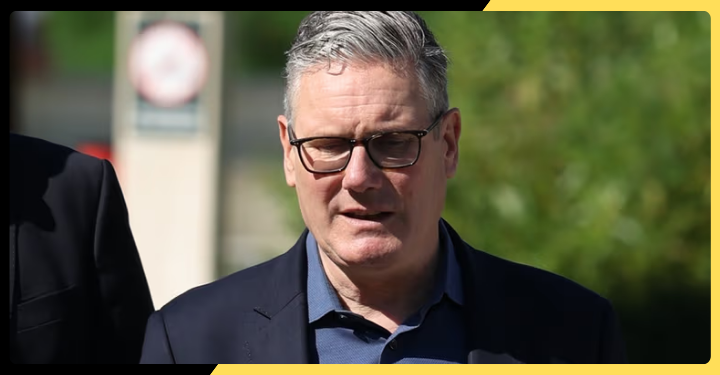
The race to succeed Keir Starmer as Prime Minister and Labour leader has begun, setting the stage for one of the most closely watched political contests in recent British history. Following Starmer’s unexpected resignation, attention has rapidly shifted from the circumstances of his departure to the question of who will lead the party into its next chapter.
Leadership contests often reveal competing visions for a party’s future, and this one is expected to be no different. Labour enters the race at a critical moment, with candidates likely to debate issues ranging from economic policy and public services to electoral strategy and party unity.
The resignation has created both challenges and opportunities. On one hand, Labour must manage uncertainty while continuing to govern effectively. On the other hand, the contest offers a chance for the party to reassess its priorities and present a renewed vision to voters.
Potential candidates are already being discussed by political commentators and party insiders. Some are expected to campaign on continuity, arguing that Labour should build upon the foundations established during Starmer’s leadership. Others may call for significant policy changes, claiming that a fresh direction is needed to address public concerns and strengthen electoral support.
One of the central themes of the leadership race is likely to be unity. The divisions that contributed to Starmer’s resignation have highlighted the importance of bringing together different factions within the party. Candidates will need to demonstrate not only policy expertise but also the ability to unite colleagues around a common purpose.
The contest is expected to attract considerable public interest. Leadership races provide voters with an opportunity to evaluate competing ideas and assess the qualities of potential national leaders. Debates, interviews, and campaign events will offer insights into how candidates plan to address the country’s most pressing challenges.
Economic policy is likely to play a major role. Britain continues to face questions about growth, public spending, taxation, and investment. Candidates will need to explain how they intend to balance fiscal responsibility with demands for improved public services.
Healthcare, housing, education, and environmental policy are also expected to feature prominently. Party members will be looking for clear plans and practical solutions, while voters will be assessing which candidate appears best equipped to lead the country.
The opposition is watching developments closely. Rival parties may seek to highlight Labour’s internal difficulties, arguing that the leadership contest reflects deeper divisions. Labour figures, however, maintain that open debate and leadership elections are healthy aspects of democratic politics.
Financial markets and international partners will also be paying attention. Leadership transitions can influence expectations about future policy, making clarity and stability particularly important during the contest.
As the campaign unfolds, candidates will face intense scrutiny from the media and the public. Every statement, policy proposal, and debate performance is likely to be closely analyzed. The eventual winner will inherit significant responsibilities, including the task of restoring confidence and guiding the government through future challenges.
The race to replace Keir Starmer is more than a contest between individuals. It is a debate about Labour’s future identity and Britain’s political direction. The outcome will shape government policy, party strategy, and national politics for years to come.