
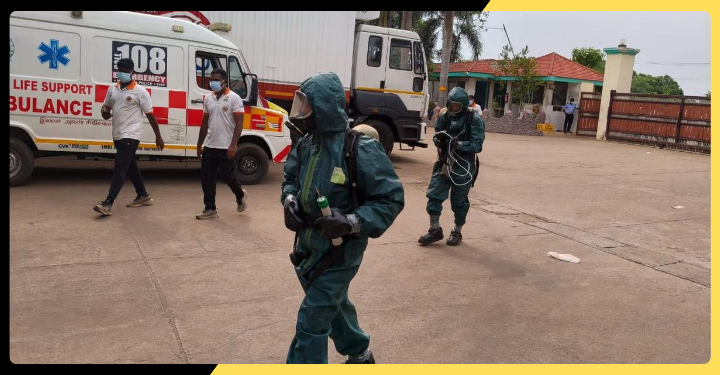
The tragic deaths of seven women workers in a suspected gas leak at a seafood processing factory in Tiruvallur, Tamil Nadu, have intensified concerns about industrial safety standards and workplace protections. The incident, which also left several workers hospitalized, has prompted widespread discussion about the effectiveness of safety regulations and the responsibilities of employers in safeguarding their workforce.
The accident occurred during routine operations at the factory, where workers were engaged in processing and packaging activities. According to reports, employees began noticing a strong and unusual odor within the facility. Soon afterward, several workers experienced breathing difficulties, dizziness, and irritation. As conditions rapidly deteriorated, panic spread through the workplace, and multiple workers collapsed before emergency services could arrive.
Rescue teams and medical personnel responded quickly after being alerted to the situation. Affected workers were rushed to nearby hospitals for treatment. Despite the efforts of healthcare professionals, seven women lost their lives due to the suspected exposure. Several others were admitted for medical care and observation, with doctors monitoring them for respiratory complications and other possible health effects.
The tragedy has left families devastated and communities searching for answers. Many of the deceased women were primary earners supporting their households. Their sudden deaths have not only caused emotional suffering but have also created financial uncertainty for family members who depended on their income.
Authorities have launched a detailed investigation to determine the exact cause of the gas leak. Officials from multiple departments, including labor, industry, health, and environmental agencies, have inspected the facility and begun collecting evidence. Investigators are examining machinery, storage systems, ventilation infrastructure, and maintenance records to establish how the incident occurred.
One of the central questions emerging from the investigation is whether the factory had adequate safety measures in place. Industrial facilities that handle chemicals, refrigeration systems, or other potentially hazardous substances are expected to follow strict protocols. These typically include gas detection equipment, emergency alarms, evacuation procedures, regular inspections, and employee safety training programs.
Safety experts argue that accidents of this nature often reveal deeper systemic problems. While regulations may exist on paper, enforcement and compliance can vary significantly between industries and locations. In some cases, inadequate maintenance, outdated equipment, insufficient worker training, or weak oversight can increase the likelihood of workplace disasters.
Labor unions have expressed concern that the Tiruvallur incident may reflect broader issues affecting industrial workers. Union leaders have called for comprehensive reviews of workplace safety practices across manufacturing and processing sectors. They argue that workers should never be exposed to life-threatening risks due to preventable failures in safety management.
The seafood processing industry is a major employer in Tamil Nadu, particularly for women seeking stable income opportunities. However, the latest tragedy has highlighted the vulnerability of workers in industries where exposure to machinery, chemicals, and industrial processes is common. Worker advocacy groups are urging companies to prioritize safety investments and ensure that all employees have access to proper protective equipment and emergency preparedness training.
Family members of the victims have demanded accountability and transparency throughout the investigation. Many have questioned whether warning signs were overlooked and whether management took all necessary precautions to prevent accidents. Relatives are seeking assurance that the truth will emerge and that responsible parties will face appropriate consequences if negligence is established.
Government officials have offered condolences and announced compensation for the families affected by the tragedy. Authorities have also pledged to take strict action if safety violations are discovered. The incident has renewed calls for stronger regulatory oversight and more frequent inspections of industrial facilities across the state.
Medical experts treating survivors have emphasized that toxic gas exposure can have both immediate and long-term health consequences. Depending on the substance involved, victims may experience lung damage, breathing disorders, neurological symptoms, and other complications. Continuous monitoring and follow-up care may be required for those who survived the incident.
Industrial safety specialists point out that modern technologies can significantly reduce the risk of accidents. Advanced gas monitoring systems, automated emergency shutdown mechanisms, and real-time air quality sensors can provide early warnings before dangerous conditions develop. Experts believe wider adoption of such technologies could help prevent future tragedies.
The incident has also sparked discussions about corporate responsibility. Businesses are increasingly expected to go beyond minimum regulatory requirements and create a culture where safety is treated as a core organizational value. This includes encouraging workers to report hazards, conducting regular risk assessments, and ensuring that emergency response plans are regularly tested.
As investigators continue their work, public attention remains focused on the findings that will emerge from the inquiry. The conclusions may influence future policy decisions and lead to stronger safety requirements for industrial facilities operating across the region.
The deaths of seven women workers in Tiruvallur represent more than an isolated industrial accident. They highlight the ongoing challenges of maintaining safe workplaces in rapidly growing industries. Their loss serves as a reminder that economic progress must be accompanied by a strong commitment to worker protection.
Ultimately, the tragedy underscores the importance of vigilance, accountability, and continuous improvement in industrial safety standards. Preventing future accidents requires cooperation between employers, regulators, workers, and policymakers. Only through sustained effort can workplaces become safer and similar tragedies be avoided.
For the families mourning their loved ones, however, the focus remains on justice and remembrance. Their hope is that the lessons learned from this disaster will lead to meaningful changes that protect future generations of workers from preventable harm.