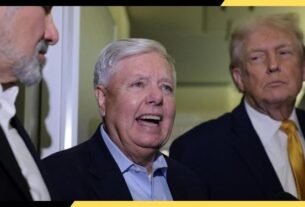
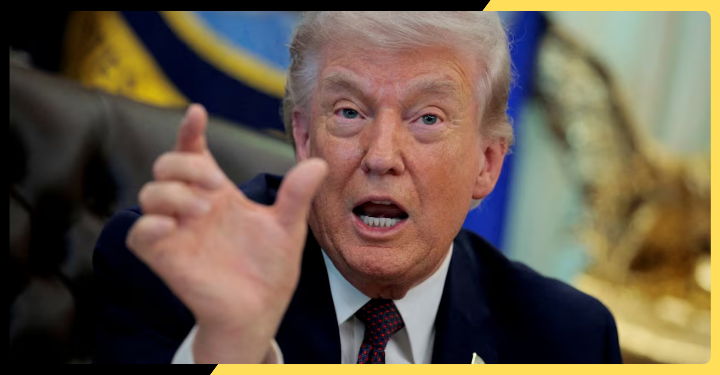
The reported clash between Donald Trump and Commerce Secretary Howard Lutnick over India’s tariff figures has highlighted the challenges and frustrations that often emerge within trade policy circles. The disagreement, centered on the accuracy of data related to Indian tariffs, reflects the broader difficulties involved in assessing international economic relationships.
Trade negotiations depend heavily on reliable information. Governments use tariff rates, trade balances, and market access indicators to evaluate whether agreements are delivering expected benefits. When policymakers disagree about these figures, tensions can arise over both strategy and policy direction.
According to reports, Trump expressed dissatisfaction with the tariff data being discussed during a meeting, suggesting that the numbers did not accurately represent India’s trade practices. The former president’s reaction is consistent with his long-standing emphasis on trade reciprocity and reducing barriers to American exports.
Throughout his political career, Trump frequently argued that the United States had been disadvantaged by trading partners that maintained higher tariffs or restrictive policies. His administration pursued a more aggressive trade agenda aimed at securing what it considered fairer terms for American businesses and workers.
India has often found itself at the center of these debates. As a rapidly growing economy, the country has sought to balance domestic industrial development with international trade commitments. Tariffs have played an important role in this strategy, particularly in sectors viewed as critical to economic growth and employment.
The disagreement with Lutnick illustrates how even members of the same policy team can interpret economic data differently. Trade statistics are complex and often require context to understand their significance. A single figure may not fully capture the practical challenges faced by exporters or the broader dynamics of a trading relationship.
Analysts point out that tariff rates can vary dramatically across products and industries. While some sectors may face minimal barriers, others encounter substantial duties that affect competitiveness. This variation makes it difficult to summarize a country’s trade policies using a single number.
The reported exchange also underscores the political dimensions of trade policy. Leaders often face pressure from businesses, workers, and voters to protect domestic interests while promoting economic growth. These competing demands can make trade discussions particularly contentious.
Despite occasional disputes, the relationship between the United States and India has strengthened significantly in recent years. Cooperation extends well beyond trade and includes defense partnerships, technology initiatives, educational exchanges, and strategic coordination on global issues. Both nations recognize the value of maintaining a strong partnership.
Economic cooperation remains a key pillar of this relationship. Businesses in both countries continue to advocate for greater market access and fewer regulatory barriers. Expanding trade could create new opportunities for investment and innovation while supporting long-term growth.
The reported tariff dispute serves as a reminder that policymaking is rarely a straightforward process. Internal debates, differing interpretations, and competing priorities all play a role in shaping government decisions. While disagreements may generate headlines, they can also contribute to more rigorous analysis and better-informed policies.
As discussions about trade continue, policymakers will need to focus on accurate data, transparent communication, and practical solutions. The ability to navigate these challenges will be essential for strengthening economic ties and ensuring that trade relationships deliver benefits for businesses and consumers alike.