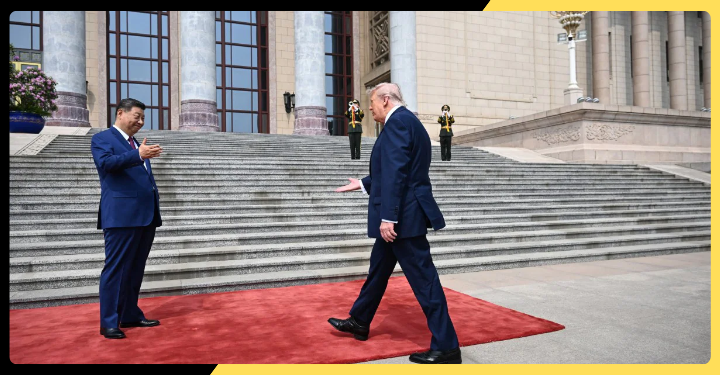
The diplomatic relationship between former US President Donald Trump and Chinese President Xi Jinping returned to public discussion after Trump described Xi as a “great leader” and called for stronger ties between the United States and China.
Trump stated that while disagreements between the two nations are unavoidable, maintaining “fantastic” relations remains important for world peace and economic stability. He highlighted the importance of dialogue and personal diplomacy between world leaders.
During his presidency, Trump often combined aggressive trade policies toward China with surprisingly warm comments about Xi. This unusual balance became a defining feature of his foreign policy approach. Even as the two countries imposed tariffs on each other’s goods, Trump repeatedly emphasized his personal relationship with the Chinese leader.
The latest remarks have reignited debate over how the United States should approach China in the future. Some analysts believe engagement and negotiation are necessary to prevent conflict between the two global superpowers. Others argue that Washington should maintain a tougher stance to counter Beijing’s expanding influence.
The US-China relationship affects nearly every aspect of global affairs, including trade, security, climate policy, and technological development. Any significant shift in relations between the two countries has consequences far beyond their borders.
Trump argued that open communication can help reduce tensions and prevent misunderstandings. He said global powers should avoid unnecessary escalation and instead focus on fair agreements that benefit both sides.
Critics responded by pointing to ongoing concerns surrounding cybersecurity, human rights, and regional military tensions involving China. Some political opponents accused Trump of appearing too complimentary toward authoritarian leadership.
Supporters countered that diplomacy often requires maintaining respectful relations even with strategic competitors. They noted that communication between rival powers has historically played a key role in avoiding global conflicts.
International markets also reacted to the remarks, as investors closely watch developments involving US-China relations. Business communities in both countries continue to push for greater economic stability and reduced trade uncertainty.
Experts believe Trump’s comments may also carry political significance domestically. As debates over foreign policy continue in American politics, the former president appears eager to project himself as a leader experienced in managing difficult international relationships.
Meanwhile, China continues expanding its influence through trade partnerships, infrastructure investments, and technological development initiatives. This growing global role has intensified strategic competition with the United States.
Observers say Trump’s remarks illustrate the complicated nature of modern diplomacy, where competition and cooperation often exist simultaneously. While tensions remain high between Washington and Beijing, calls for dialogue continue to emerge from political and business leaders worldwide.
The latest statements from Trump have once again drawn international attention to one of the world’s most important and sensitive geopolitical relationships.