Geopolitical crises are often discussed through the language of strategy, diplomacy, and national interests. News reports focus on military deployments, political statements, and economic consequences. Yet behind every headline are human stories that rarely receive the attention they deserve. The ongoing tensions surrounding the Strait of Hormuz are no exception.
For thousands of Indian seafarers working in the region, geopolitical rivalry is not an abstract concept. It is a reality that shapes their daily lives, influences their safety, and affects the well-being of their families. These men and women represent the human face of a crisis often viewed solely through a strategic lens.
India has a long and proud maritime tradition. Generations of sailors have contributed to international commerce by serving aboard vessels that connect markets across the globe. Today, Indian seafarers continue this legacy, working on tankers, cargo ships, and container vessels operating in some of the world’s busiest shipping lanes.
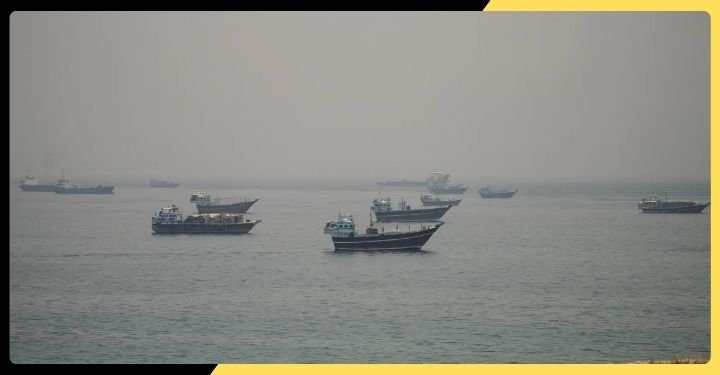
The Strait of Hormuz is among the most important of these routes. Its strategic significance stems from its role as a gateway for global energy supplies and commercial trade. However, that same importance also makes it a focal point for political and military tensions.
When instability increases, the risks are borne by the people working at sea. Sailors must continue performing their duties despite concerns about security conditions. They navigate crowded waterways, monitor changing circumstances, and maintain operations even when uncertainty dominates the environment.
The impact extends far beyond the vessels themselves. Families in India often wait anxiously for news from loved ones working overseas. Every report of an incident in the Gulf can trigger fear and concern. For spouses, parents, and children, the emotional toll can be significant.
Many seafarers come from communities where maritime employment provides a pathway to economic opportunity. Their earnings support education, healthcare, housing, and other essential needs. A single voyage can represent months of financial planning and personal sacrifice.
When accidents or security incidents occur, the consequences can be devastating. Families may lose their primary source of income, communities may lose respected members, and colleagues may struggle with the emotional effects of traumatic experiences. These outcomes rarely appear in discussions about regional strategy, yet they are among the most important consequences of instability.
The human cost of the Hormuz standoff highlights the interconnected nature of the modern world. Decisions made by political leaders can influence the lives of individuals thousands of miles away. Maritime workers often have little control over these developments, yet they frequently bear a disproportionate share of the risks.
Recognizing this reality requires a shift in perspective. Discussions about maritime security should place greater emphasis on the people who keep global trade functioning. Economic indicators and strategic assessments are important, but they should not overshadow human experiences.
Governments, shipping companies, and international organizations all have roles to play in improving conditions for seafarers. Enhanced safety measures, better support systems, and stronger international cooperation can help reduce risks and provide greater protection for maritime workers.
Public awareness is also crucial. By highlighting the stories of sailors and their families, society can gain a deeper understanding of the true consequences of geopolitical conflict. These stories remind us that international events are not only about states and institutions but also about individuals striving to build better lives.
The Strait of Hormuz will likely remain a strategically significant region for years to come. As policymakers and analysts continue debating its future, they should remember the people whose livelihoods depend on safe passage through its waters.
The human cost of the Hormuz standoff cannot be measured solely in economic losses or political tensions. It must also be measured in the lives affected, the families waiting at home, and the sacrifices made by those who keep the world’s commerce moving. Their stories deserve to be heard, remembered, and valued far beyond the headlines.