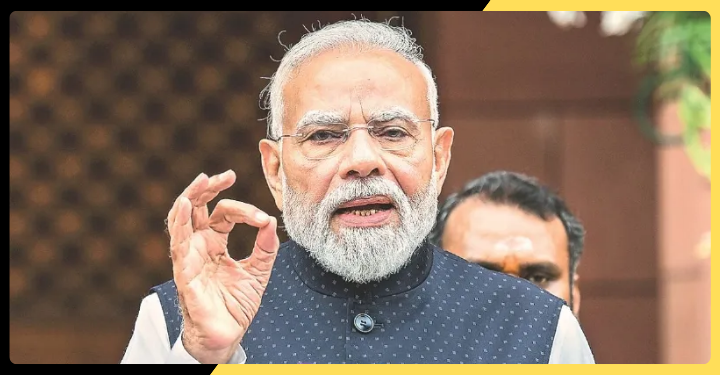
The Delhi Police has intensified its action against alleged online abuse by registering a First Information Report (FIR) over a series of social media posts targeting Prime Minister Narendra Modi and formally seeking assistance from X, formerly known as Twitter. The move is part of an ongoing investigation into content that authorities believe may have violated provisions of Indian law governing online communication and cyber offences.
According to police officials, the FIR was filed after complaints were received regarding multiple posts that allegedly contained abusive, offensive, and objectionable language directed at the Prime Minister. Following an initial review of the complaints, investigators concluded that a detailed probe was necessary to determine whether any criminal offences had been committed.
The Delhi Police Cyber Cell has taken charge of the investigation and has begun examining the disputed posts. Investigators are analysing the content, identifying the accounts involved, and assessing whether the material violates relevant provisions of the Bharatiya Nyaya Sanhita (BNS), the Information Technology Act, or other applicable laws.
As part of the inquiry, Delhi Police has sent an official request to X seeking user-related information connected with the accounts under investigation. Authorities have reportedly requested details such as account registration information, login history, IP addresses, device identifiers, and other digital records that may help identify the individuals responsible for publishing the posts.
Police officials have emphasised that requesting information from the social media platform is a standard procedure in cybercrime investigations. They have also clarified that the investigation remains at a preliminary stage and that no conclusions have yet been drawn regarding the identity or legal responsibility of any individual.
The case has once again highlighted the growing challenges associated with regulating online content. Social media platforms have become an important part of India’s political and social landscape, enabling citizens to express opinions, discuss public policies, and participate in democratic debates. However, they have also witnessed a significant increase in online abuse, fake accounts, misinformation campaigns, and offensive content.
Cybercrime experts explain that investigations involving digital platforms require specialised technical expertise. Unlike conventional criminal investigations, online cases often involve anonymous accounts, encrypted communications, and users operating from multiple locations. As a result, law enforcement agencies frequently depend on cooperation from technology companies to trace digital activity.
Legal experts note that freedom of speech and expression remains a fundamental right under the Constitution of India. Citizens have the right to criticise public officials, question government decisions, and express political opinions. However, this constitutional protection is subject to reasonable restrictions, particularly in cases involving criminal intimidation, incitement to violence, hate speech, or other offences defined by law.
The investigation has also renewed discussion regarding the responsibilities of technology companies operating in India. Platforms such as X receive legal requests from governments across the world seeking information related to criminal investigations. These requests are generally reviewed to ensure they comply with domestic laws, international legal standards, and the platform’s own legal policies before any user information is disclosed.
Privacy advocates argue that while law enforcement agencies should have access to necessary evidence during criminal investigations, requests for user information must remain transparent and proportionate. They believe proper legal safeguards are essential to protect citizens’ privacy rights while ensuring effective enforcement of the law.
Political analysts say the case has attracted widespread attention because it involves alleged online abuse directed at the country’s highest elected office. Supporters of stricter enforcement argue that abusive behaviour on digital platforms should not be tolerated regardless of the target. Others stress that authorities must carefully distinguish between unlawful abuse and legitimate political criticism to preserve democratic freedoms.
Cybersecurity professionals believe that online abuse has become a global concern rather than an issue confined to a single country. Public figures, journalists, government officials, and private citizens alike increasingly face harassment through social media platforms. Experts recommend stronger digital literacy, better moderation systems, and closer cooperation between technology companies and law enforcement agencies to address these challenges effectively.
The Delhi Police are expected to continue collecting and analysing digital evidence over the coming weeks. Investigators may review additional posts, verify technical records received from X, and identify individuals linked to the accounts under investigation. Depending on the evidence gathered, further notices, questioning, or legal proceedings may follow.
Legal observers believe the outcome of the investigation could contribute to future discussions on cyber law enforcement and digital governance in India. As technology continues to evolve, governments around the world are working to strike a balance between protecting freedom of expression and preventing unlawful online conduct.
Authorities have appealed to social media users to exercise responsibility while posting content online. They have reminded citizens that digital platforms are governed by the law and that online actions can have legal consequences if they violate criminal statutes. Officials have also encouraged users to report abusive or unlawful content through appropriate legal channels instead of engaging in offensive exchanges.
As the investigation moves forward, all findings will depend on the evidence collected through lawful procedures. The case is expected to remain under close public scrutiny because it raises important questions about cybercrime enforcement, social media accountability, user privacy, and the future of online regulation in one of the world’s largest digital democracies.