
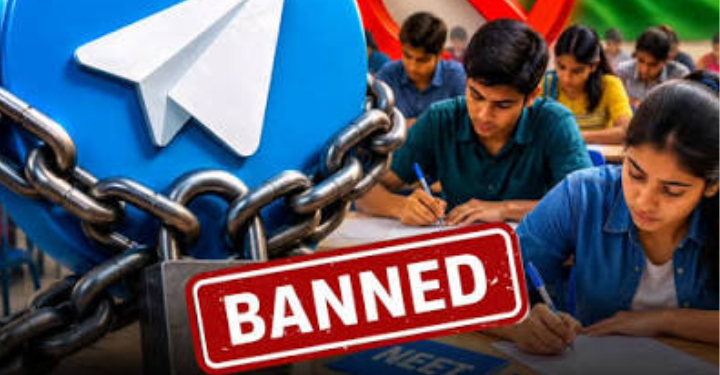
Digital communication platforms are facing increased scrutiny in India following allegations of fraud linked to the National Eligibility cum Entrance Test (NEET). The controversy has raised important questions about examination security, the role of technology in education, and the responsibilities of online platforms in preventing the spread of unauthorized content.
NEET is the country’s primary entrance examination for admission to undergraduate medical and dental programs. Each year, millions of students compete for a limited number of seats, making the test one of the most significant academic milestones in India. Because admission decisions depend heavily on exam performance, maintaining fairness and transparency is essential to preserving public trust in the education system.
Recent allegations suggested that examination-related materials may have been circulated through online channels before the test. Reports of potential paper leaks and unauthorized sharing of content quickly attracted the attention of investigators, education authorities, and policymakers. As inquiries expanded, digital platforms became a major focus due to their ability to distribute information rapidly among large groups of users.
Messaging applications, social media networks, and online forums have become indispensable tools for students preparing for competitive examinations. They offer access to study materials, expert guidance, mock tests, and peer discussions. For many candidates, these platforms provide valuable educational support that supplements traditional classroom learning. However, the same tools can also be misused to spread misinformation, leaked documents, or unauthorized examination content.
The controversy surrounding NEET highlights a broader challenge faced by education systems worldwide. As technology evolves, examination authorities must adapt to new risks and vulnerabilities. Information that was once confined to physical documents can now be copied, transmitted, and shared within seconds. This speed creates significant challenges for investigators attempting to identify and contain potential breaches before they affect examination outcomes.
Authorities have responded by strengthening investigations into suspected fraud networks and examining the role of digital communication channels in facilitating malpractice. Officials have stressed that their objective is not to restrict legitimate educational activities but to identify and prevent the misuse of technology for unethical purposes. The focus remains on ensuring that all candidates compete under fair and equal conditions.
The situation has also renewed debate about the responsibilities of technology companies. Digital platforms often position themselves as neutral providers of communication services, but critics argue that they should play a more active role in identifying and addressing harmful activities. Supporters of stronger oversight believe that cooperation between authorities and platform operators is necessary to combat organized fraud and protect examination integrity.
At the same time, privacy advocates caution against excessive monitoring or restrictions that could affect legitimate users. Millions of students, teachers, and professionals rely on digital communication tools every day. Any measures aimed at preventing fraud must carefully balance security concerns with the rights of users to communicate, collaborate, and access educational resources.
Educational experts have called for a comprehensive approach to examination security that extends beyond enforcement actions. They argue that technological safeguards should be integrated into every stage of the examination process. Secure digital storage, encrypted transmission systems, biometric authentication, artificial intelligence-based monitoring, and enhanced cybersecurity protocols can all contribute to reducing the risk of future incidents.
Students themselves have become central voices in the discussion. Many candidates support stronger protections against cheating and paper leaks, emphasizing that honest students should not be disadvantaged by the actions of a few individuals. For those who spend years preparing for competitive examinations, confidence in the fairness of the process is critical.
The NEET controversy has also highlighted the growing sophistication of examination fraud operations. Organized groups may use encrypted channels, temporary accounts, and multiple platforms to coordinate activities while avoiding detection. This evolving threat landscape requires authorities to continuously update their investigative techniques and security measures.
As investigations continue, the debate surrounding digital platforms and examination security is likely to shape future policy decisions. The incident serves as a reminder that educational integrity must be protected not only in examination halls but also across the digital environments where information is created, shared, and consumed. Ensuring fairness in competitive examinations will require ongoing collaboration among educators, regulators, technology companies, and students themselves.