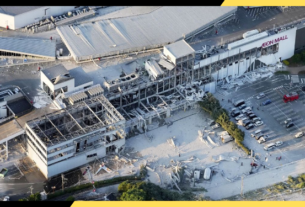
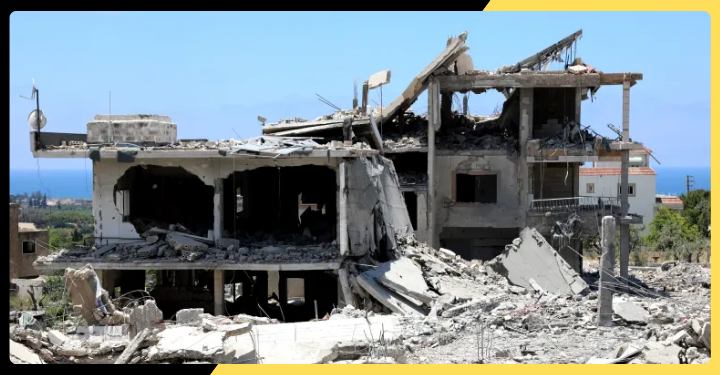
Regional stability in the Middle East is facing renewed challenges following a series of Israeli airstrikes in Lebanon that reportedly killed 22 people and injured many others. The violence has intensified concerns among world leaders, security analysts, and humanitarian organizations, all of whom fear that the latest escalation could trigger a broader conflict with consequences extending far beyond Lebanon’s borders.
The strikes targeted multiple locations in southern Lebanon, an area that has long been a flashpoint for tensions between Israel and armed groups operating in the region. Israeli officials stated that the operation was designed to eliminate security threats and prevent future attacks against Israeli territory. Lebanese authorities, however, condemned the strikes and emphasized reports of civilian casualties, describing the attacks as a dangerous escalation that threatens national and regional security.
The incident comes at a particularly sensitive moment for the Middle East. Several diplomatic efforts aimed at reducing tensions and encouraging dialogue between rival powers are currently underway. The outbreak of violence has raised questions about whether these initiatives can continue effectively in an environment marked by increasing military confrontation.
Lebanon remains one of the most vulnerable countries in the region. Years of economic decline, political instability, and social unrest have weakened state institutions and strained public resources. Communities across the country continue to struggle with inflation, unemployment, and limited access to essential services. Against this backdrop, renewed military activity creates additional challenges for both government authorities and ordinary citizens.
The humanitarian impact of the violence is becoming a growing concern. Families in affected areas have reportedly been forced to leave their homes due to fears of further attacks. Local healthcare facilities are under pressure as they respond to casualties, while humanitarian organizations are monitoring the situation closely. Aid groups have called on all parties to prioritize civilian protection and avoid actions that could worsen the crisis.
Regional observers warn that the conflict could have far-reaching implications. The Middle East is characterized by a complex network of alliances, rivalries, and security interests. As a result, even localized clashes can influence broader geopolitical dynamics. Escalating tensions between Israel and actors operating in Lebanon may draw responses from regional powers, increasing the risk of a wider confrontation.
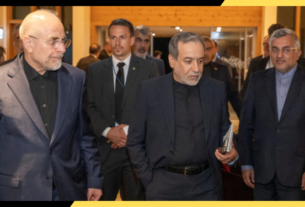
The role of Iran is also attracting significant attention. Tehran maintains relationships with various groups across the region and has strongly criticized the latest Israeli military action. Iranian officials argue that such operations contribute to instability and undermine efforts to promote peace. The situation could further complicate diplomatic initiatives involving Iran and other international stakeholders seeking to reduce tensions.
For Israel, security concerns remain central to its policy decisions. Israeli leaders argue that military action is necessary when threats emerge near the country’s borders. Supporters of this approach contend that governments have a responsibility to protect their citizens from potential attacks. Critics, however, caution that military operations can produce unintended consequences, including civilian casualties and long-term instability.
The international community has responded with growing concern. Governments around the world have urged restraint and called for measures to prevent further escalation. Diplomatic representatives have stressed the importance of dialogue and emphasized that military solutions alone are unlikely to address the underlying causes of regional conflict.
Economic consequences are another factor that cannot be ignored. Increased instability in the Middle East often affects investor confidence, trade activity, and energy markets. Countries throughout the region depend on a stable security environment to support economic growth and development. Continued violence could therefore have repercussions that extend beyond immediate military and political concerns.
Analysts suggest that the coming days will be crucial in determining whether the situation can be contained. If additional strikes or retaliatory actions occur, the possibility of a wider regional conflict may increase significantly. Conversely, successful diplomatic intervention could help reduce tensions and create opportunities for renewed dialogue.
The violence in Lebanon serves as a reminder of how fragile regional stability can be. While military actions are often justified on security grounds, their broader consequences frequently affect millions of people across national borders. As leaders weigh their next steps, the challenge will be finding a balance between security needs and the urgent requirement for lasting peace.
Whether the region moves toward escalation or de-escalation will depend largely on the choices made in the days ahead. For now, concerns about stability remain at the forefront of international attention as the Middle East confronts another potentially pivotal moment.